
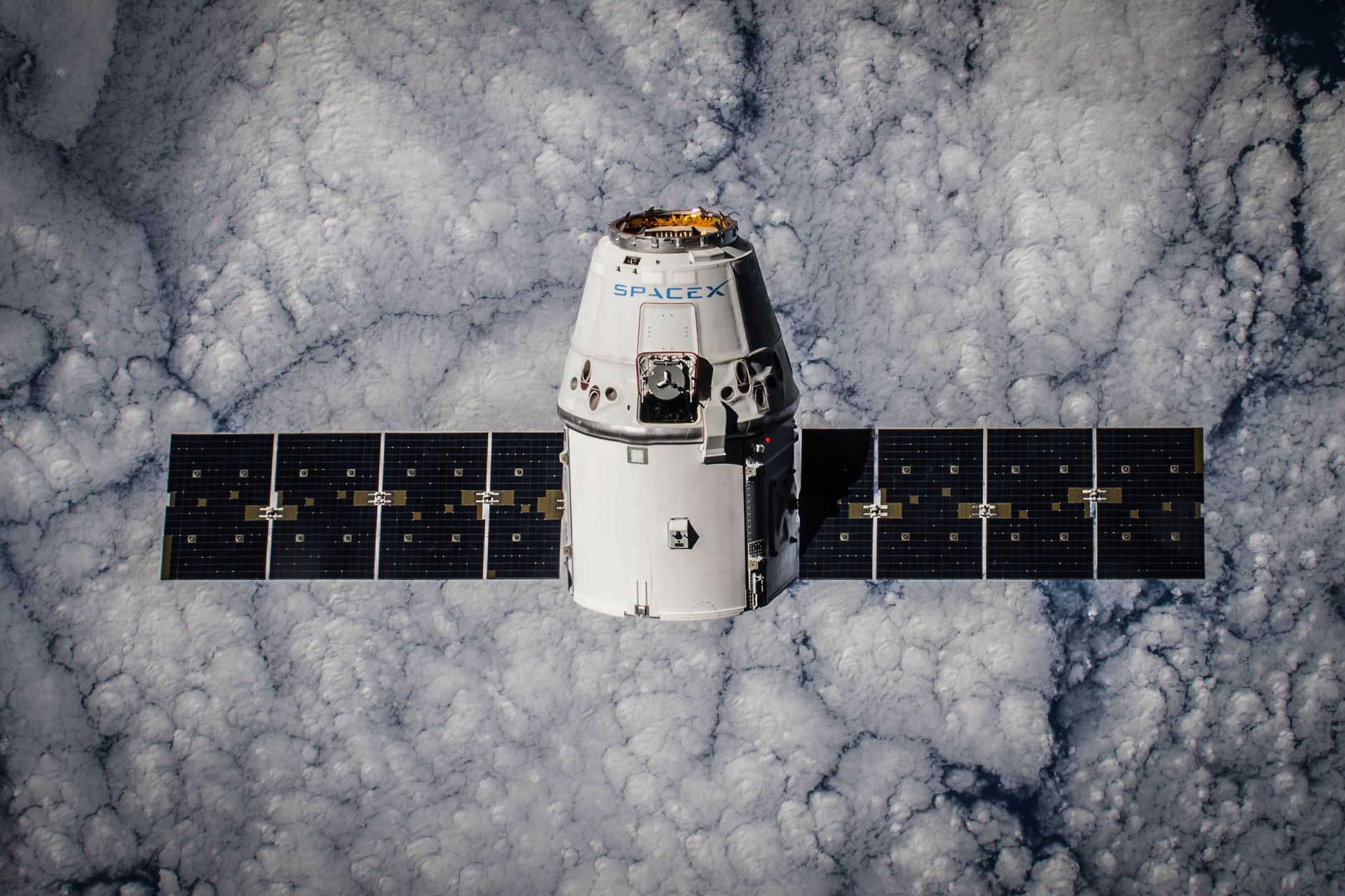
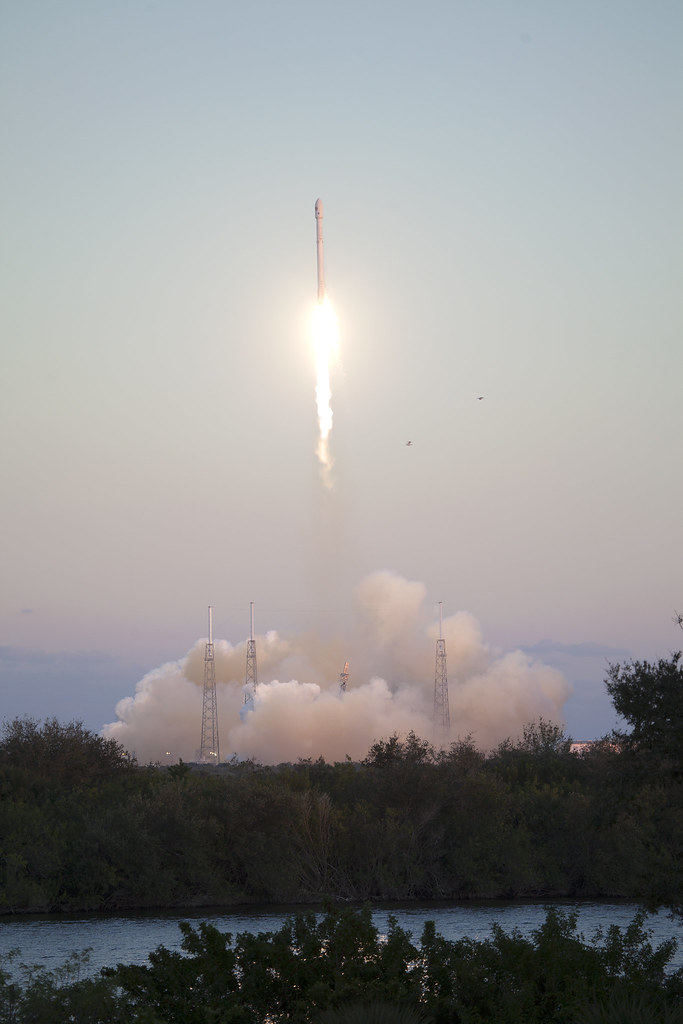
ISRO satellite launch has successfully taken place with the EOS-05 satellite. This achievement showcases India’s growing capabilities in space technology and exploration.
Overview of the EOS-05 Satellite
The EOS-05 satellite, launched by ISRO using the GSLV-F17 rocket, marks another significant achievement in the realm of satellite technology. This satellite is designed to enhance the country’s capabilities in earth observation and monitoring.
Key features of the EOS-05 satellite include:
- Advanced Imaging Technology: Equipped with state-of-the-art sensors, EOS-05 can capture high-resolution images for various applications.
- Multi-Application Utility: The satellite serves diverse sectors such as agriculture, forestry, and urban planning, providing critical data for decision-making.
- Real-time Data Transmission: EOS-05 ensures quick and efficient data relay, which is crucial for timely interventions in environmental management.
This launch is part of ISRO’s ongoing commitment to enhancing satellite capabilities, further solidifying its position as a leader in space technology. The success of the EOS-05 satellite launch highlights ISRO’s expertise and reliability in conducting complex missions.
Significance of GSLV-F17 Rocket
The successful launch of the EOS-05 satellite using the GSLV-F17 rocket marks a significant milestone for the Indian Space Research Organisation (ISRO). This mission underscores the growing capabilities of ISRO in satellite deployment and space technology.
The GSLV-F17 rocket, equipped with advanced features, plays a pivotal role in enhancing communication and remote sensing capabilities. Its successful operation is crucial for various applications, including:
- Weather forecasting: The satellite aids in providing accurate meteorological data.
- Agricultural monitoring: It supports farmers by offering insights on crop health and growth.
- Disaster management: The satellite assists in real-time monitoring of natural disasters.
This launch not only showcases ISRO’s technical prowess but also reinforces India’s position in the global space arena. The ongoing success of ISRO satellite launches like this one continues to inspire technological advancements and international collaborations.
ISRO’s Achievements in 2023
In 2023, ISRO has marked a significant milestone in its relentless pursuit of excellence with the successful launch of the EOS-05 satellite. This satellite, designed for advanced Earth observation, showcases ISRO’s commitment to enhancing capabilities in remote sensing technology.
The launch, executed using the GSLV-F17 rocket, reflects ISRO’s growing expertise in satellite technology and launch vehicle design. This success story reinforces India’s position as a key player in the global space arena.
Among the numerous achievements this year, the following stand out:
- Enhanced Payload Capacity: The GSLV-F17 has demonstrated improved payload capabilities, allowing for more complex missions.
- International Collaborations: ISRO has strengthened partnerships with various countries, expanding its influence and collaboration in space technology.
- Innovative Technologies: The incorporation of cutting-edge technology in satellite design has resulted in more efficient and reliable operations.
This ISRO satellite launch embodies the spirit of innovation and resilience that defines the agency.
Future Missions Planned by ISRO
As ISRO continues to build on its success with the recent EOS-05 satellite launch, several ambitious missions are on the horizon. The organization is focused on expanding its capabilities and scientific reach with a variety of upcoming projects.
Key future missions planned by ISRO include:
- Aditya-L1: A mission aimed at studying the Sun, which will enhance our understanding of solar activities and their impact on space weather.
- Chandrayaan-3: Following the success of its predecessor, this mission intends to further explore the Moon’s surface and gather critical data.
- Gaganyaan: India’s first crewed spaceflight mission, expected to take Indian astronauts into low Earth orbit.
- NavIC Expansion: Enhancements to India’s navigation satellite system to improve its accuracy and reach.
These initiatives showcase ISRO’s commitment to advancing technology and exploration, solidifying its reputation as a leader in space missions, including the recent ISRO satellite launch.
Technical Specifications of EOS-05
The EOS-05 satellite, an impressive addition to ISRO’s fleet, boasts several advanced technical specifications designed for Earth observation. This satellite is equipped with a multi-spectral imaging payload that operates in various spectral bands, allowing it to capture high-resolution images of the Earth’s surface.
Key specifications of the EOS-05 include:
- Launch Mass: Approximately 1,500 kg
- Orbital Altitude: 500 km
- Swath Width: 120 km
- Data Transmission Rate: 200 Mbps
- Operational Lifetime: 5 years
This satellite will significantly enhance ISRO’s capabilities in monitoring agricultural, forestry, and disaster management, making the ISRO satellite launch of EOS-05 a landmark achievement for the agency.
International Collaborations in Space
The recent ISRO satellite launch of EOS-05 marks a significant milestone not only for India but also for international collaboration in space exploration. Over the years, ISRO has established fruitful partnerships with various global space agencies, enhancing its capabilities and reach.
These collaborations have led to the sharing of advanced technologies, joint missions, and the exchange of valuable data. Some key international partnerships include:
- NASA: Collaborative projects focusing on Earth observation and climate monitoring.
- ESA: Joint missions to explore planetary systems and develop satellite technologies.
- JAXA: Cooperation on scientific research and satellite launches.
Such alliances not only bolster ISRO’s credentials but also foster a spirit of unity in addressing global challenges, such as climate change and disaster management. The success of the EOS-05 satellite launch exemplifies how these international collaborations can lead to impactful developments in space science.
Public Reaction to the Launch
The successful launch of the EOS-05 satellite by ISRO using the GSLV-F17 rocket has sparked widespread enthusiasm among the public. Social media platforms are buzzing with excitement as citizens celebrate this remarkable achievement in space exploration.
Many people took to Twitter and Facebook to express their pride in ISRO’s capabilities, highlighting how the organization has consistently pushed the boundaries of technology. A user commented, “ISRO’s satellite launch is yet another testament to India’s growing prowess in space science!”
Public gatherings were organized in various cities where space enthusiasts gathered to watch the live broadcast of the launch. Families and students participated in discussions about the implications of the EOS-05 satellite for Earth observation and environmental monitoring.
Overall, the launch has reignited interest in space missions, and many are eager to learn more about ISRO’s future plans, reinforcing the sentiment that ISRO’s satellite launch is a defining moment for the nation.
Next Steps After the Successful Launch
Following the successful ISRO satellite launch of the EOS-05, the organization is now focusing on several key initiatives. These steps aim to capitalize on the momentum generated by this achievement and further enhance India’s standing in space technology.
Among the immediate next steps are:
- Data Utilization: The EOS-05 satellite will provide critical data for agricultural monitoring, weather forecasting, and disaster management, which ISRO plans to leverage effectively.
- Technological Advancements: ISRO will continue to improve satellite technology, incorporating lessons learned from the EOS-05 mission to ensure even greater success in future launches.
- Public Engagement: To foster interest in space science, ISRO is organizing outreach programs aimed at educating the youth about satellite technology and its applications.
- International Partnerships: Building on its recent collaborations, ISRO intends to strengthen ties with global space agencies for joint research and satellite missions.
These strategic directions set the stage for a promising future in India’s space exploration endeavors.
The recent ISRO satellite launch has once again demonstrated India’s growing capabilities in space technology. With each successful ISRO satellite launch, the nation moves closer to becoming a global leader in satellite deployment and research.
Photo by SpaceX on Pexels









Leave a Reply