
ISRO GSLV-F18 launch marks a significant milestone in India’s space endeavors. This mission carries the NVS-03 satellite, which will enhance the capabilities of the NavIC navigation system.
Overview of the ISRO GSLV-F18 Mission
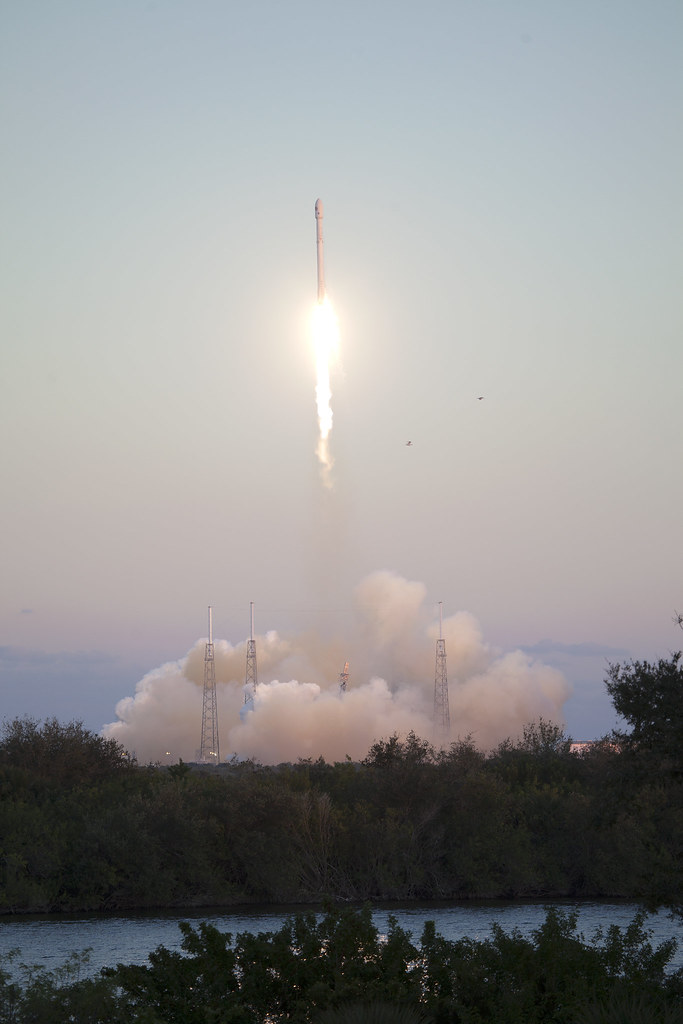
The recent ISRO GSLV-F18 launch marks a significant milestone in India’s space endeavors, particularly in enhancing the NavIC navigation system. This mission successfully deployed the NVS-03 satellite, which is crucial for providing accurate positioning services across the region. The GSLV-F18 rocket lifted off from the Satish Dhawan Space Centre, showcasing ISRO’s continued advancement in launch vehicle technology.
With this latest launch, ISRO aims to strengthen the infrastructure needed for satellite navigation, ensuring reliable and precise services for both civilian and defense applications. The NVS-03 satellite is equipped with advanced features, contributing to improved accuracy and robustness of the NavIC system.
- Launch occurred on schedule
- Enhances regional navigation capabilities
- Supports various applications including mapping and transportation
Importance of the NVS-03 Satellite
The launch of the NVS-03 satellite aboard the ISRO GSLV-F18 is crucial for enhancing India’s navigation capabilities. This satellite is part of the Navigation with Indian Constellation (NavIC) system, which provides accurate positioning services to users across the Indian region and surrounding areas.
Key benefits of the NVS-03 satellite include:
- Improved Accuracy: The satellite enhances the precision of navigation signals, making it vital for various applications, including transportation and disaster management.
- Increased Coverage: It expands the coverage area of the NavIC system, ensuring better service to users in remote regions.
- Advanced Features: The NVS-03 is equipped with modern technology that supports new functionalities, including enhanced timing services.
Overall, the ISRO GSLV-F18 launch significantly contributes to strengthening India’s positioning infrastructure, ensuring reliable navigation for all users.
How NavIC Navigation System Works
The NavIC navigation system, integral to India’s satellite infrastructure, operates through a constellation of satellites that provide precise positioning and timing information. The system comprises a total of seven satellites, of which the NVS-03 satellite, launched aboard the ISRO GSLV-F18, plays a crucial role in enhancing its capabilities.
NavIC stands out due to its accuracy and reliability, especially in urban canyons and remote areas where traditional GPS signals may falter. The system functions through the following steps:
- Signal Transmission: Satellites transmit signals to ground-based receivers.
- Position Calculation: Receivers calculate their position based on the time taken for signals to reach them.
- Data Correction: Ground control monitors satellite health and ensures optimal performance.
This robust framework enables seamless navigation services across India and surrounding regions, significantly benefiting various sectors.
Future of India’s Space Exploration
The successful launch of the ISRO GSLV-F18 has marked a significant milestone in the future of India’s space exploration. With the deployment of the NVS-03 satellite, ISRO is poised to enhance its capabilities in satellite navigation, thereby solidifying India’s position in the global space arena.
This mission not only reinforces the NavIC navigation system but also showcases India’s commitment to advancing its space technology. As the demand for precise navigation solutions rises, the potential applications for the NVS-03 satellite are vast, ranging from transportation to agriculture.
Looking ahead, ISRO aims to further expand its satellite network, which will enable more robust and accurate navigation services. The success of the GSLV-F18 launch is just one step in a series of planned missions that promise to propel India’s space endeavors into new realms.
Key Benefits of Enhanced Navigation Systems
The successful launch of the ISRO GSLV-F18, carrying the NVS-03 satellite, marks a significant advancement in navigation technology. Enhanced navigation systems offer numerous benefits that can transform various sectors.
- Improved Accuracy: Enhanced systems provide precise positioning, which is crucial for applications such as aviation, maritime operations, and autonomous vehicles.
- Increased Reliability: With better satellite coverage and more robust signals, users can rely on navigation systems even in challenging conditions.
- Support for Emergency Services: Enhanced navigation improves response times for emergency services, ensuring they can reach those in need more efficiently.
- Boost to Economic Growth: Accurate navigation systems can facilitate logistics and transportation, driving economic development across various industries.
Overall, the ISRO GSLV-F18 launch strengthens India’s NavIC navigation system, paving the way for innovations and improvements in navigation technology.
The ISRO GSLV-F18 launch demonstrates the agency’s commitment to enhancing satellite navigation capabilities. By implementing advanced technologies during the ISRO GSLV-F18 launch, ISRO aims to improve accuracy and reliability for future missions.






Leave a Reply