
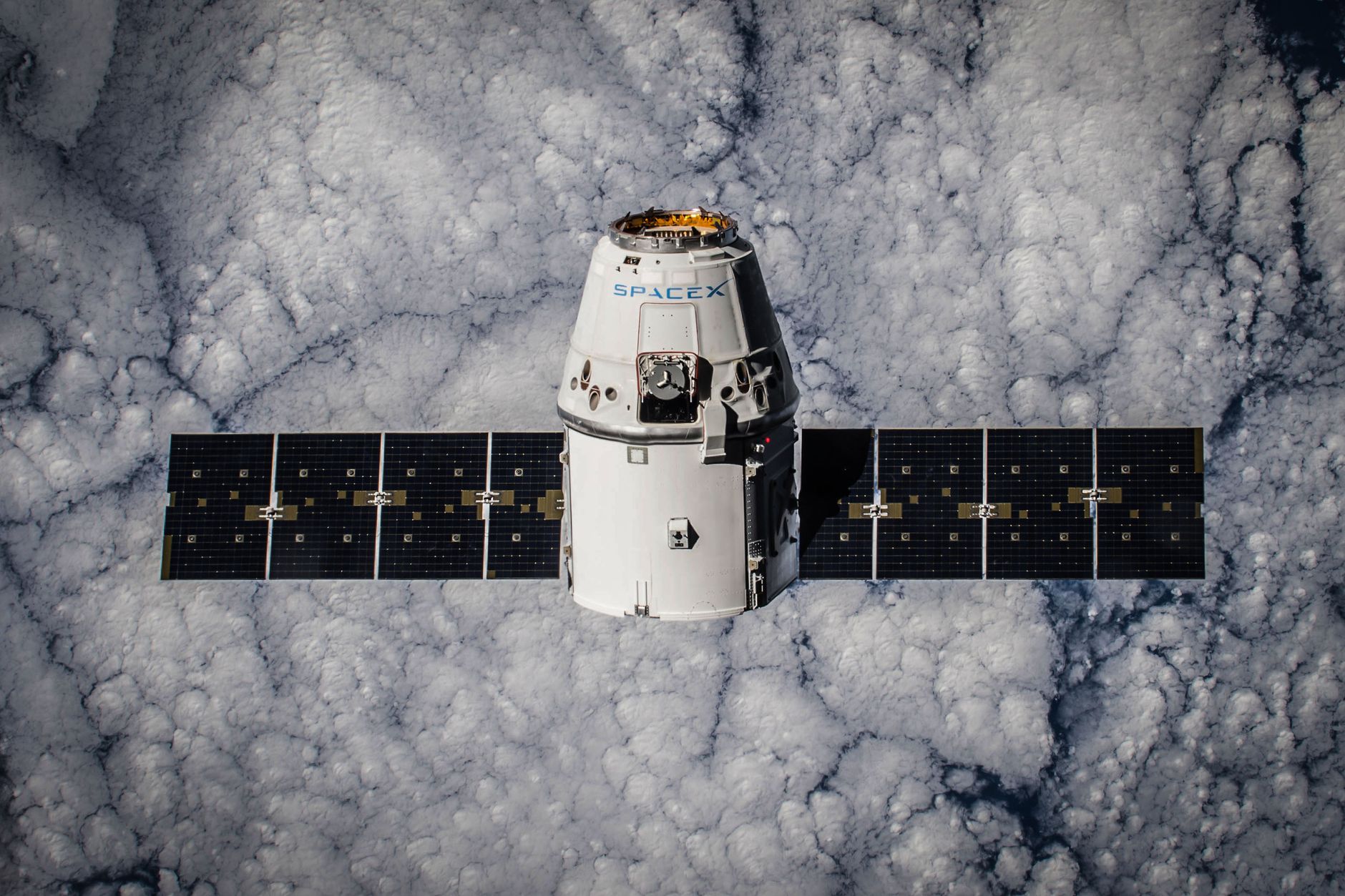
The military satellite launch of Titania marks a significant advancement in monitoring space threats. This successful mission by Britain showcases the nation’s commitment to enhancing space security and defense capabilities.
Overview of the Titania Satellite
The Titania satellite represents a significant advancement in military space capabilities, designed specifically to enhance the monitoring of potential threats in orbit. Launched successfully, this military satellite aims to provide real-time intelligence and situational awareness, thus strengthening national security.
Some key features of the Titania satellite include:
- Advanced Sensors: Equipped with state-of-the-art sensors, Titania can detect and track debris and other objects in space, enabling proactive responses to threats.
- High-Resolution Imaging: The satellite’s imaging technology allows for detailed surveillance, crucial for assessing potential risks to military and civilian assets.
- Secure Communication: Titania ensures that data transmission remains secure, safeguarding sensitive information from potential adversaries.
As countries increasingly rely on space for defense operations, the successful launch of the Titania military satellite underscores the importance of space security and the need for robust monitoring systems in addressing emerging challenges.
Importance of Space Monitoring
The recent military satellite launch of Titania underscores the critical importance of space monitoring in today’s security landscape. As nations increasingly rely on space assets for communication, navigation, and surveillance, the ability to track and respond to potential threats in orbit becomes essential.
Space monitoring is vital for several reasons:
- Threat Detection: The Titania satellite enhances the capability to detect and monitor activities that could pose risks to national and global security.
- Data Collection: By providing real-time data on space traffic and potential collisions, Titania contributes to safer operations in a congested orbital environment.
- Strategic Advantage: The insights gained from military satellite launches like Titania allow for informed decision-making and better preparedness against adversarial actions in space.
- International Cooperation: Enhanced monitoring fosters collaboration among countries to address common threats, ensuring a collective approach to space security.
In summary, the military satellite launch of Titania represents a significant step forward in safeguarding not only national interests but also the broader security framework in space.
Britain’s Role in Space Defense
Britain has taken a significant step in enhancing its space defense capabilities with the recent successful military satellite launch of the Titania. This mission not only underscores the nation’s commitment to monitoring space threats but also solidifies its role as a key player in global space security efforts.
The Titania satellite is equipped with advanced technology designed to detect and analyze potential risks in the ever-evolving space environment. As countries around the world increasingly rely on satellite systems for both civilian and military purposes, the need for robust monitoring becomes paramount.
Key benefits of Britain’s involvement in space defense include:
- Enhanced Collaboration: Working with international partners to share intelligence and resources.
- Increased Resilience: Developing capabilities to respond swiftly to emerging space threats.
- Technological Advancement: Pioneering innovations that can be applied in various sectors.
Overall, the military satellite launch exemplifies Britain’s proactive approach to safeguarding its interests in space.
Technological Innovations in Titania
The recent launch of the Titania military satellite marks a significant advancement in space technology, showcasing several innovative features designed to enhance security in the cosmos. These technological innovations are crucial for effective monitoring of potential space threats and improving defense capabilities.
Among the key advancements are:
- Advanced Sensors: Equipped with high-resolution imaging systems, Titania can detect and track objects in orbit with unparalleled precision.
- Artificial Intelligence: The satellite employs AI algorithms to analyze data in real time, allowing for quick identification of potential threats.
- Enhanced Communication Systems: Titania’s state-of-the-art communication technology ensures secure and rapid data transmission back to Earth.
- Modular Design: This allows for easy upgrades and integration of new technologies as they become available.
These innovations not only support Britain’s role in space defense but also set a benchmark for future military satellite launches, reinforcing the nation’s commitment to safeguarding its interests in outer space.
Future of Military Satellites
The future of military satellites looks promising as nations increasingly recognize the significance of space security. The successful military satellite launch of Titania heralds a new era in monitoring potential threats from space. With advanced capabilities, Titania not only enhances surveillance but also strengthens defense systems.
As technology evolves, future military satellites are expected to integrate artificial intelligence and machine learning, allowing for real-time analysis and quicker response times. This evolution will enable nations to better anticipate and mitigate risks associated with space debris and adversarial activities.
Moreover, international collaborations are likely to become more common as countries seek to share intelligence and resources. Through partnerships, nations can collectively enhance their space defense initiatives, ensuring a more secure environment for all.
In conclusion, the ongoing advancements in military satellite technology, exemplified by the Titania satellite, will play a crucial role in shaping the future of space security and maintaining peace in an increasingly contested domain.
Challenges in Space Surveillance
The recent military satellite launch of Titania has underscored the evolving challenges in space surveillance. While advancements in technology have improved monitoring capabilities, several significant hurdles remain.
One of the primary challenges is the increasing volume of space debris, which poses risks not only to operational satellites but also to national security. The presence of defunct satellites and fragments from previous collisions complicates the tracking and management of space activities.
Additionally, the rapid development of anti-satellite technologies by various nations raises concerns regarding the vulnerabilities of military assets in orbit. Titania aims to counter these threats through enhanced detection systems, yet the arms race in space continues to escalate.
- Collaboration among nations is essential to establish guidelines for space traffic management.
- The need for real-time data sharing between military and civilian agencies is becoming increasingly apparent.
- Investment in advanced tracking technologies will be crucial for future military satellite launches.
Addressing these challenges is vital to ensuring the security and stability of space.
The recent military satellite launch has demonstrated its crucial role in enhancing national defense capabilities. With each successful military satellite launch, countries can better monitor potential threats and ensure the safety of their assets in space.
Photo by SpaceX on Pexels





Leave a Reply