
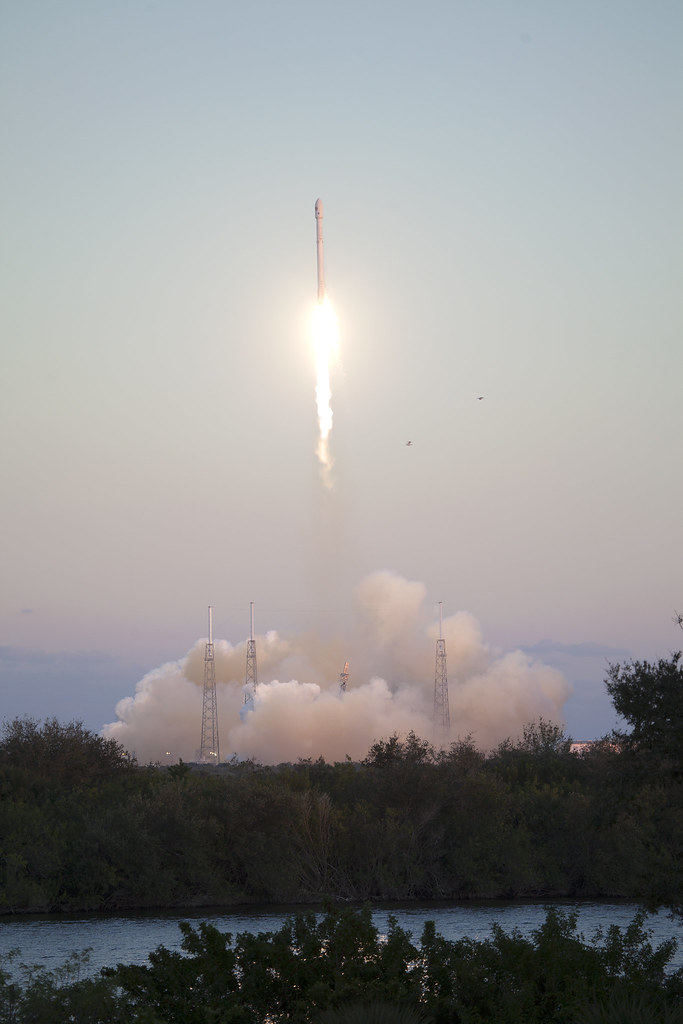
SpaceX satellite launch has successfully deployed 130 satellites into orbit, showcasing advanced capabilities in space technology.
Overview of SpaceX’s recent satellite launch
In a remarkable demonstration of its capabilities, SpaceX successfully completed a satellite launch, deploying a total of 130 satellites into orbit. This mission not only highlights the company’s advanced technology but also underscores its position as a leader in the space industry. The recent space endeavor allows for various applications, including communications and Earth observation, showcasing the versatility of SpaceX’s launch services.
Among the satellites launched were several dedicated to innovative technologies, such as AI chips being tested by Google. These chips are designed to enhance data processing capabilities in space, representing a significant step forward in the integration of artificial intelligence with satellite technology.
The successful launch further affirms the reliability of SpaceX’s satellite launch systems, reinforcing its reputation for efficiency and cost-effectiveness in the competitive aerospace market.
Google’s AI chip testing in orbit
In a groundbreaking move, Google has begun testing its AI chips in orbit, coinciding with the recent SpaceX satellite launch. This initiative marks the first time these advanced chips are being utilized in space, showcasing the potential for artificial intelligence to enhance satellite operations.
The launch, which successfully deployed 130 satellites, underscores SpaceX’s role as a leader in satellite technology. By providing reliable transportation to orbit, SpaceX enables companies like Google to experiment with innovative technologies in a low-gravity environment.
Google’s AI chips are designed to process large amounts of data quickly, making them ideal for handling the complexities of satellite communications and operations. As the space industry evolves, the synergy between SpaceX’s proven satellite launch capabilities and Google’s AI advancements could pave the way for smarter, more efficient satellite systems.
Industry experts are eager to see the outcomes of this collaboration and its implications for the future of space exploration.
Impact of satellite launches on space exploration
The recent SpaceX satellite launch has significant implications for the future of space exploration. As the company continues to dominate the satellite launch market, it paves the way for more advanced technologies and applications in orbit.
One major impact of these launches includes:
- Increased Accessibility: The ability to deploy multiple satellites at once reduces costs and increases the frequency of launches.
- Enhanced Communication: More satellites in orbit improve global connectivity, facilitating advancements in telecommunications and internet access.
- Scientific Research: The deployment of satellites allows for enhanced data collection, which can lead to breakthroughs in various fields, including climate science and Earth observation.
- Collaboration Opportunities: As private companies like SpaceX continue to innovate, partnerships with governments and research institutions become more feasible.
Overall, the advancements brought by these launches can accelerate our exploration and understanding of outer space.
Technological advancements in satellite deployments
SpaceX’s recent satellite launch not only showcased the company’s commitment to expanding global connectivity but also highlighted significant technological advancements in satellite deployments. The efficiency and reliability of SpaceX’s Falcon 9 rocket have transformed how satellites are positioned in orbit.
Several key innovations have emerged from these missions, including:
- Reusable rocket technology: By reusing rocket stages, SpaceX significantly reduces the cost of satellite launches.
- Rapid deployment capabilities: The ability to launch multiple satellites in a single mission allows for quicker expansion of satellite constellations.
- Advanced propulsion systems: Enhanced propulsion technologies ensure that satellites reach their designated orbits with precision.
These advancements contribute to the growing importance of satellite technology in various sectors, including telecommunications, weather forecasting, and environmental monitoring, cementing SpaceX’s role as a leader in the space industry.
Future of AI in space technology
The future of artificial intelligence (AI) in space technology is poised for significant advancements, especially following the recent SpaceX satellite launch, which successfully deployed a record number of satellites. As AI continues to integrate with satellite systems, the potential for enhanced data processing and real-time decision-making in orbit becomes increasingly evident.
AI technologies can optimize satellite operations by:
- Improving communication: AI algorithms can manage data transmission, ensuring efficient and reliable signals.
- Enhancing imaging: AI can analyze images captured by satellites, providing valuable insights for various applications.
- Automating maintenance: Predictive analytics can foresee equipment failures, allowing for timely interventions.
With ongoing innovations, the collaboration between AI and satellite technology will likely revolutionize how we explore and utilize space, paving the way for a new era of exploration and research.
Challenges faced during satellite launches
SpaceX’s recent satellite launch showcased not only its technological prowess but also the numerous challenges that accompany such missions. Launching a significant number of satellites, like the 130 deployed in this instance, requires meticulous planning and execution.
Among the primary challenges are:
- Weather Conditions: Adverse weather can delay launches and affect satellite deployment.
- Orbital Debris: The presence of space debris poses risks to both the satellites and the launch vehicle.
- Technical Malfunctions: Any failure in the launch vehicle or satellite systems can lead to mission failure.
- Regulatory Hurdles: Navigating international regulations and securing necessary approvals can complicate the launch process.
Despite these obstacles, SpaceX continues to refine its approach, solidifying its reputation as a leader in satellite launch technology.
The role of private companies in space exploration
Private companies have increasingly become key players in the realm of space exploration, with SpaceX leading the charge in innovation and efficiency. The recent SpaceX satellite launch showcased not only their technological prowess but also the growing significance of commercial ventures in this sector.
As governmental space agencies face budget constraints and shifting priorities, private enterprises are stepping in to fill the gap. These companies are not only providing launch services but also advancing satellite technology and making space more accessible for research and telecommunications.
Moreover, partnerships between private firms and public entities are fostering collaborative efforts that enhance data collection and promote scientific discovery. This synergy is vital as the world grapples with global challenges, making the role of private companies in space exploration more crucial than ever.
In summary, the landscape of space exploration is evolving, with private enterprises like SpaceX redefining possibilities.
What this means for the future of satellites
The recent SpaceX satellite launch marks a significant milestone in the evolution of satellite technology, paving the way for enhanced capabilities and global connectivity. As private companies continue to push the boundaries of what is possible, this launch underscores the importance of innovation in the aerospace sector.
With each successful mission, SpaceX demonstrates that its satellite deployment techniques can effectively reduce costs and increase efficiency. This is vital for future endeavors that aim to expand satellite networks, such as providing internet access to remote areas and improving disaster response systems.
Moreover, the advancements seen in this launch could inspire new collaborations between tech giants and aerospace firms, potentially leading to breakthroughs in artificial intelligence applications in space. The implications of the SpaceX satellite launch extend beyond mere technology; they signal a future where space is more accessible for various global initiatives.
The recent SpaceX satellite launch has showcased the best proven technology for space, setting new standards in the aerospace industry. As more companies look to follow in SpaceX’s footsteps, the significance of the SpaceX satellite launch becomes increasingly evident.
By NASA Goddard Photo and Video via Openverse








Leave a Reply