
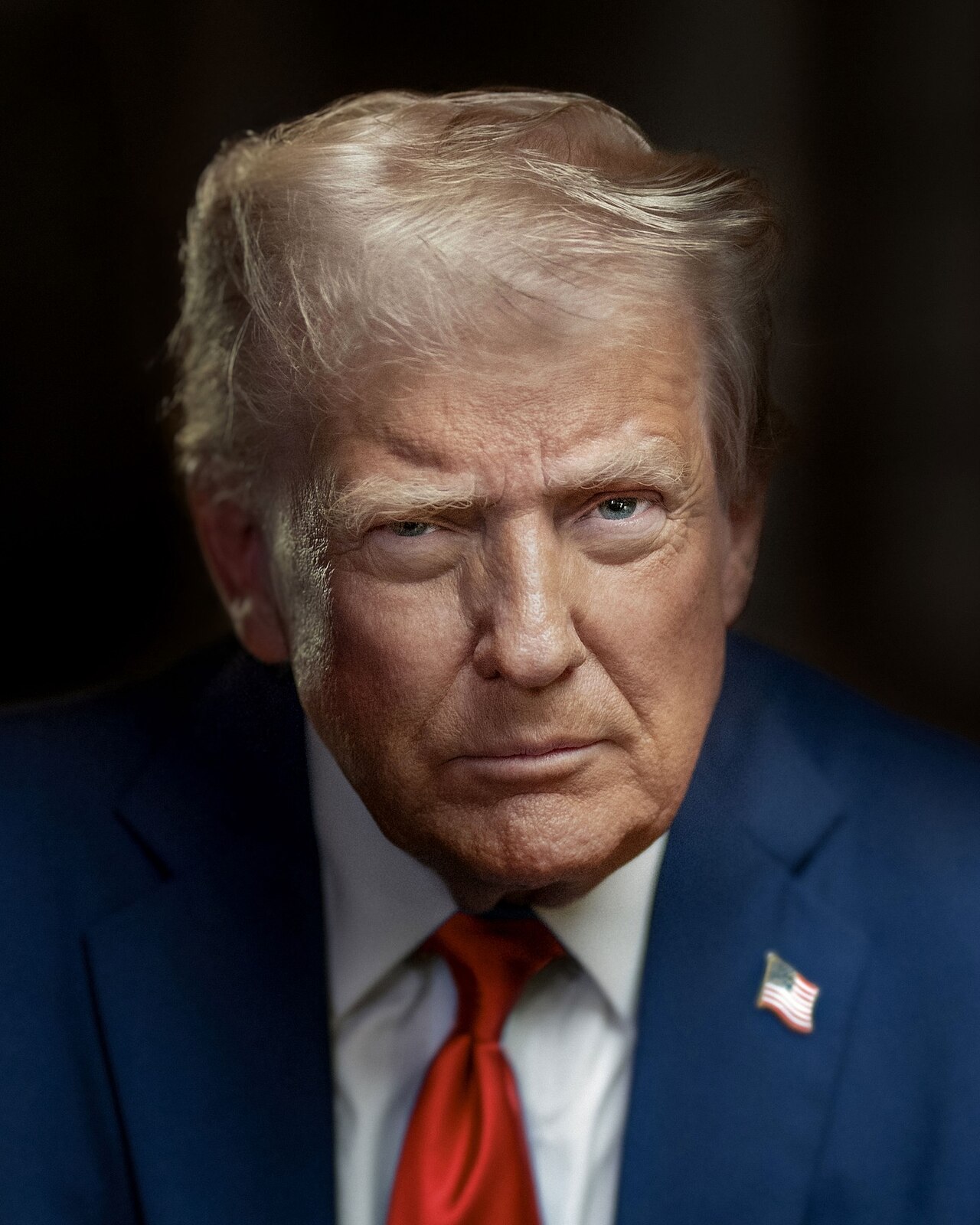
The Trump Venezuela oil deal may have little immediate impact on US gas prices. As discussions unfold, experts weigh in on the potential outcomes for American consumers.
Understanding the Trump Venezuela Oil Deal
The Trump Venezuela oil deal has sparked considerable debate regarding its potential effects on US gas prices. As the situation in Venezuela evolves, understanding the nuances of this agreement is crucial for consumers and policymakers alike.
Several factors contribute to the complexity of the deal:
- Venezuelan Oil Production: Venezuela has struggled with declining oil production due to years of mismanagement and economic sanctions. Even with a deal in place, the country’s ability to significantly increase output remains uncertain.
- US Market Demand: The American oil market is influenced by a variety of sources, both domestic and international. A single deal may not drastically shift supply or impact prices in a meaningful way.
- Global Oil Prices: The global oil market is highly interconnected. Changes in oil prices are often driven by geopolitical events and OPEC decisions, which can overshadow the effects of any bilateral agreements.
While the Trump Venezuela oil deal may create opportunities for increased oil imports from Venezuela, its immediate impact on US gas prices is likely to be limited. Future developments in both markets will be essential to monitor as the situation unfolds.
Current US Gas Prices Explained
As of now, gas prices in the United States remain a significant concern for consumers, particularly with fluctuating global oil markets. Current average prices are hovering around $3.50 per gallon, which has raised questions about the influence of international agreements like the Trump Venezuela oil deal.
Several factors contribute to the ongoing volatility of gas prices:
- Global Supply and Demand: Any changes in oil supply, whether due to geopolitical tensions or natural disasters, can drastically affect prices.
- Refinery Capacity: U.S. refinery outages or maintenance schedules impact how much crude oil can be processed into gasoline.
- Market Speculation: Traders and investors often react to news and forecasts, which can cause rapid price shifts independent of actual supply changes.
- Domestic Production: The U.S. is one of the largest oil producers; thus, domestic production levels also play a crucial role in setting prices.
While the Trump Venezuela oil deal aims to stabilize relations and possibly increase oil imports, experts suggest that its immediate effect on U.S. gas prices may be minimal, as many underlying factors continue to dictate price movements.
Impact of Foreign Oil on Domestic Markets
The Trump Venezuela oil deal has stirred discussions regarding its potential impact on US gas prices. To understand the broader implications, it is essential to consider how foreign oil influences domestic markets. The United States has historically relied on a mix of domestic and imported oil to meet its energy needs. This reliance means that fluctuations in global oil supply and demand can significantly affect prices at the pump.
Several factors can contribute to the impact of foreign oil on US gas prices:
- Global Supply Chain: Any disruption in oil production or distribution globally can lead to price increases, regardless of domestic production levels.
- Geopolitical Stability: Political instability in oil-producing regions can cause uncertainty, affecting oil prices and consumer confidence.
- Market Speculation: Traders in the commodities market often react to news, such as the Trump Venezuela oil deal, which can lead to short-term price fluctuations.
However, experts suggest that even with a deal in place, the immediate effects on US gas prices may be limited. Domestic production and refining capacity remain significant factors in determining pricing trends in the short term.
Expert Opinions on Oil Deal
Experts are divided on the potential effects of the Trump Venezuela oil deal on US gas prices. While some analysts argue that increased oil imports from Venezuela could provide a temporary relief from high fuel costs, others caution that the impact might be minimal in the short term.
Dr. Emily Johnson, an economist specializing in energy markets, states, “The Venezuelan oil deal could help diversify US oil sources. However, the actual increase in supply will depend on how quickly Venezuela can ramp up production, which has been hampered by years of mismanagement.”
Conversely, Mark Thompson, a senior energy analyst, emphasizes the complexities of global oil markets. “Even if the deal goes through, global demand fluctuations and OPEC’s production decisions will likely overshadow the effects of Venezuelan oil on US prices,” he explains.
Moreover, Lisa Chen, a political analyst, points out that “the geopolitical landscape can also affect oil prices. Sanctions and international relations play crucial roles that might mitigate any potential benefits from the Trump Venezuela oil deal.”
In summary, while the Trump Venezuela oil deal has sparked optimism among some, experts urge caution, suggesting that gas prices may remain influenced more by broader market trends than by this singular agreement.
Historical Context of US-Venezuela Relations
The historical context of US-Venezuela relations is complex and has evolved significantly over the decades. The two countries have experienced periods of both cooperation and conflict, largely influenced by political ideologies and economic interests. In the early 20th century, American companies invested heavily in Venezuela’s oil sector, which became one of the country’s primary sources of revenue.
During the late 20th century, relations soured, particularly under the leadership of Hugo Chávez, who often criticized US policies and sought to align Venezuela with other leftist governments in Latin America. The sanctions imposed on Venezuela by the US in response to human rights abuses and political repression have further strained relations, making any potential Trump Venezuela oil deal a contentious topic.
In recent years, the US has looked to diversify its energy sources, especially amid fluctuating oil prices and geopolitical tensions. The prospect of a renewed partnership through oil deals has prompted discussions about how such agreements could affect not only US gas prices but also the stability of the Venezuelan economy.
Overall, understanding this historical backdrop is crucial in assessing the potential outcomes of any new agreements between the two nations.
What Consumers Should Expect Next
As consumers navigate the fluctuating landscape of fuel prices, understanding the implications of the Trump Venezuela oil deal is crucial. While the deal may seem promising, experts suggest that its impact on US gas prices might not be felt immediately.
In the short term, consumers should prepare for a few key developments:
- Short-lived Relief: Any potential decrease in gas prices may be marginal and temporary. Analysts predict that market dynamics and geopolitical factors will continue to influence prices significantly.
- Price Volatility: As global oil markets react to the announcement of the deal, consumers may experience fluctuations in gas prices. This volatility can stem from both supply and demand changes.
- Long-term Effects: While the Trump Venezuela oil deal could lead to increased oil imports in the future, it may take time before those imports positively affect domestic prices.
- Consumer Awareness: It’s essential for consumers to stay informed about wider market trends, as local prices may vary based on regional demand and supply chains.
In conclusion, while the Trump Venezuela oil deal may raise hopes for lower gas prices, consumers should remain cautious and prepared for ongoing price fluctuations in the coming months.
via Wikimedia Commons




Leave a Reply