
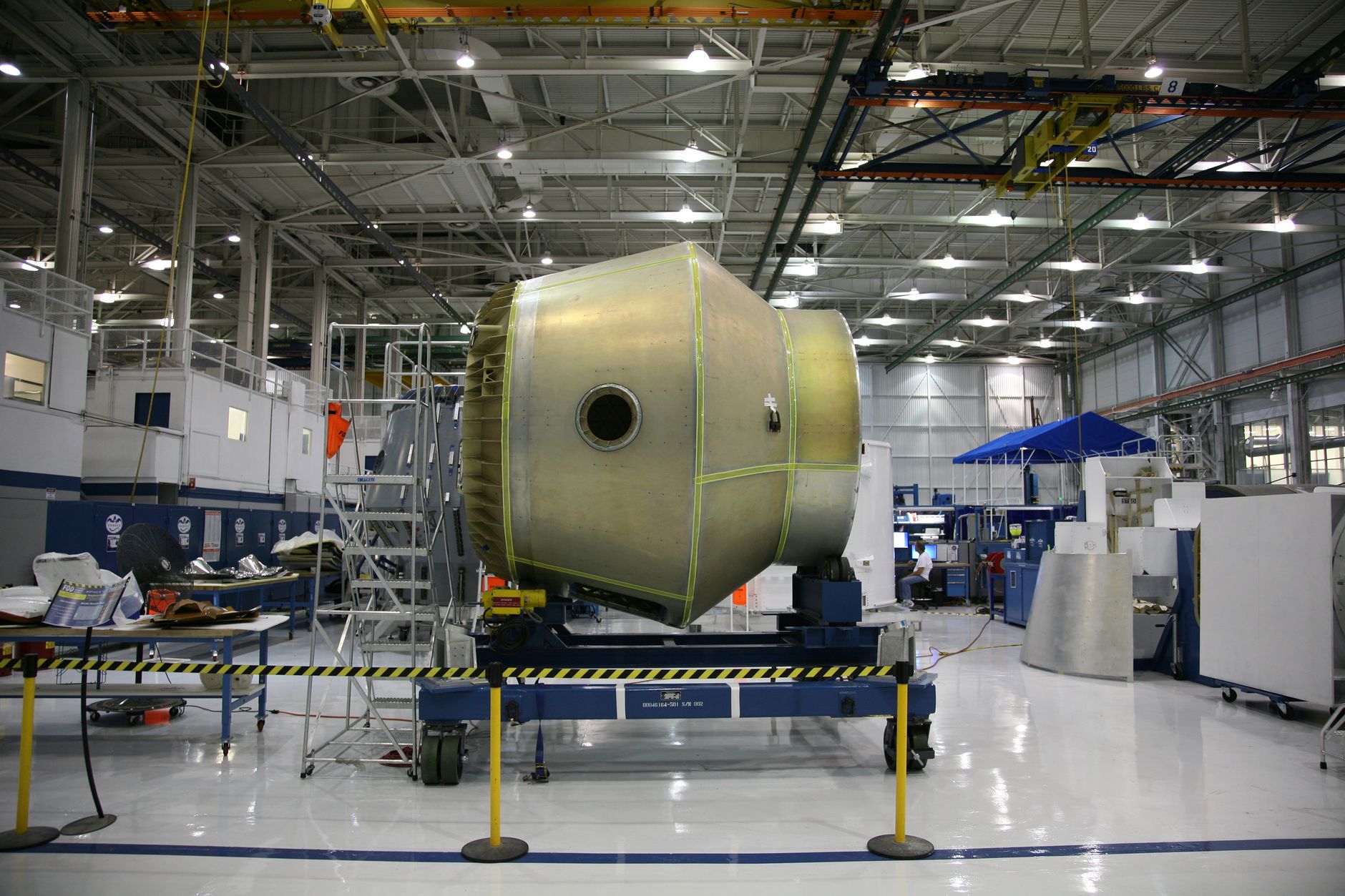
The Gaganyaan Module Separation System is a significant milestone for ISRO as it prepares for its first uncrewed mission. This validation marks a crucial step towards India’s ambitious space goals.
Overview of Gaganyaan Mission
The Gaganyaan mission, India’s ambitious endeavor to send humans into space, marks a significant milestone in the country’s space exploration efforts. With a target for the first uncrewed mission (G1) set for 2026, the Indian Space Research Organisation (ISRO) is meticulously validating various components essential for the mission’s success.
One of the critical elements being tested is the Gaganyaan Module Separation System, which plays a vital role in ensuring the safe deployment of the crew module from the launch vehicle. This system has undergone extensive evaluations to guarantee its reliability under different flight conditions.
The Gaganyaan mission aims to demonstrate India’s capability in human spaceflight, which includes a series of key objectives:
- Developing and testing life support systems for astronauts
- Conducting in-orbit operations
- Ensuring safe return and recovery of the crew module
As ISRO prepares for the G1 mission, the successful validation of the module separation system represents a crucial step towards achieving these goals.
Importance of Module Separation System
The Gaganyaan Module Separation System plays a crucial role in the success of India’s ambitious space mission. This system is designed to ensure the safe and efficient separation of various modules during the flight, which is essential for the mission’s overall integrity and safety. Proper module separation is vital for transitioning between different phases of the mission, particularly during crewed flights.
Key aspects highlighting the importance of the Module Separation System include:
- Safety: A reliable separation mechanism minimizes risks to the crew and equipment, ensuring a smooth transition between stages.
- Mission Success: Effective separation is critical for deploying satellites and conducting scientific experiments in space.
- Technological Validation: The system demonstrates India’s growing capabilities in space technology, showcasing advancements in engineering and design.
- Future Missions: Lessons learned from the Gaganyaan Module Separation System will inform and enhance subsequent space endeavors.
In summary, the Module Separation System is a pivotal component that underscores the mission’s technical achievements and objectives.
ISRO’s Plans for Uncrewed Missions
The Indian Space Research Organisation (ISRO) has outlined a series of ambitious plans for its uncrewed missions as part of the Gaganyaan program. These missions aim to validate critical technologies and systems before embarking on crewed spaceflights.
One of the key components in this endeavor is the Gaganyaan Module Separation System, which has undergone rigorous testing to ensure its reliability. The separation system is crucial for the safe deployment of various modules during the mission.
To achieve this, ISRO has scheduled several test flights leading up to the first uncrewed mission, designated G1, targeted for 2026. These tests will simulate different stages of the mission, allowing engineers to gather data and make necessary adjustments.
ISRO’s commitment to innovation and safety is evident in their approach, as they aim to execute these uncrewed missions flawlessly before sending astronauts into space. The success of these initial missions will pave the way for India’s future in human space exploration.
Technological Innovations in Space
The Gaganyaan Module Separation System marks a significant evolution in space technology, showcasing India’s advancements in aerospace engineering. This innovative system is designed to ensure the safe and efficient separation of modules during the mission, a critical step for the success of the Gaganyaan program.
Several technological innovations have been integrated into the Gaganyaan Module Separation System, including:
- Automated Separation Mechanisms: These mechanisms are engineered to operate autonomously, reducing the risk of human error during critical phases of the mission.
- Robust Safety Features: The system incorporates advanced safety protocols to handle unexpected scenarios, ensuring the integrity of the spacecraft and its crew.
- Data Monitoring Systems: Real-time monitoring of separation processes provides valuable data for analysis and future improvements.
As ISRO prepares for the first uncrewed mission in 2026, the successful validation of the Gaganyaan Module Separation System exemplifies India’s commitment to becoming a global leader in space exploration.
Timeline for Gaganyaan Launch
The timeline for the Gaganyaan mission is pivotal for India’s aspirations in space exploration. The first uncrewed mission, designated G1, is targeted for 2026. This mission will primarily focus on validating the Gaganyaan Module Separation System, which is essential for the safe deployment of modules during the mission.
ISRO has outlined several key milestones leading up to the launch:
- 2024: Completion of critical design reviews and testing of the Gaganyaan Module Separation System.
- 2025: Conducting comprehensive simulations and integration tests to ensure system reliability.
- Late 2025: Launch of the test flight to validate pre-launch operations and separation mechanisms.
- 2026: Execution of the uncrewed G1 mission, marking a significant step towards human spaceflight.
With each phase meticulously planned, ISRO aims to ensure the success of the Gaganyaan Module Separation System and pave the way for future crewed missions.
Challenges Faced by ISRO
The Indian Space Research Organisation (ISRO) has encountered several challenges in developing the Gaganyaan Module Separation System. One of the primary hurdles has been ensuring the reliability and safety of the separation mechanisms under different conditions. This system is crucial as it enables the safe detachment of various modules during the mission, and any failure could jeopardize the entire operation.
Another significant challenge has been the integration of advanced technologies while maintaining cost-effectiveness. ISRO aims to produce a system that meets international standards without exceeding budget constraints, which requires careful balancing of resources and innovation.
Additionally, rigorous testing protocols have had to be established to simulate the harsh environment of space. This includes extensive evaluations of temperature variations, pressure changes, and mechanical stresses that the modules will face during launch and separation.
Despite these obstacles, ISRO remains committed to achieving success, with the Gaganyaan module separation system being a key focus in their ongoing preparations for the first uncrewed mission targeted for 2026.
Future of Indian Space Exploration
The future of Indian space exploration looks promising, especially with the advancements in the Gaganyaan Module Separation System. This innovative technology not only enhances the mission’s safety but also paves the way for subsequent crewed missions. As ISRO continues to refine its capabilities, the success of the Gaganyaan program will serve as a catalyst for India’s growing presence in global space missions.
With the planned uncrewed mission G1 targeted for 2026, the Gaganyaan Module Separation System will play a crucial role in ensuring the effective deployment of payloads into orbit. This system’s successful validation is a testament to ISRO’s commitment to overcoming challenges and achieving excellence in space exploration.
Furthermore, the lessons learned from Gaganyaan will be instrumental in future projects, including lunar and interplanetary missions. As India sets its sights on ambitious goals, the Gaganyaan Module Separation System stands out as a vital component in the nation’s journey toward becoming a leader in space technology.
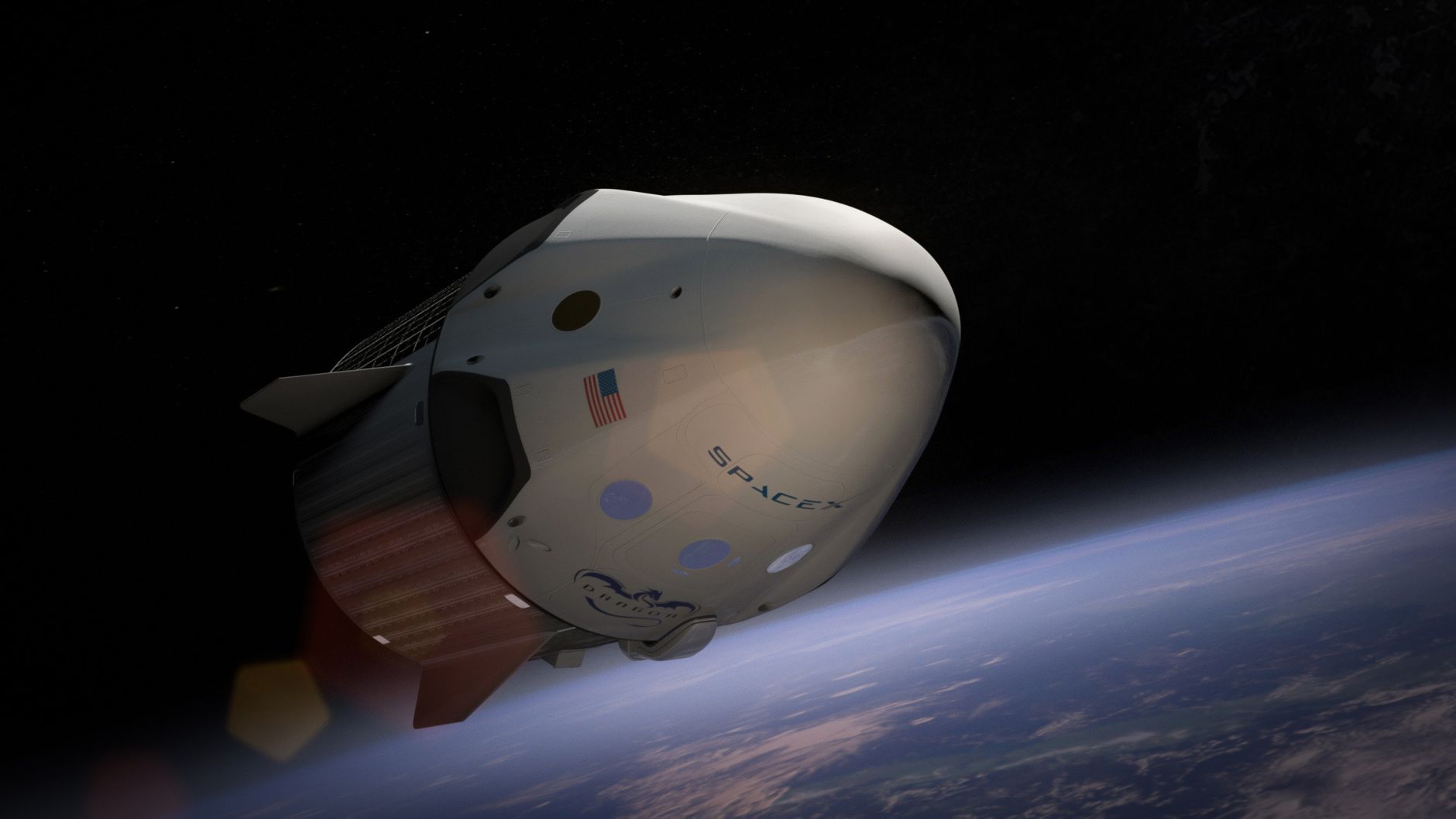
Photo by SpaceX on Pexels
Sources
Vivo V80 FE Certification: The Best News for Tech Fans · Nikki from Obsession Fortnite: Exciting New Bundle Leaked · Vivo X500 Pro Pricing: Best Details on Colors and Storage




Leave a Reply