
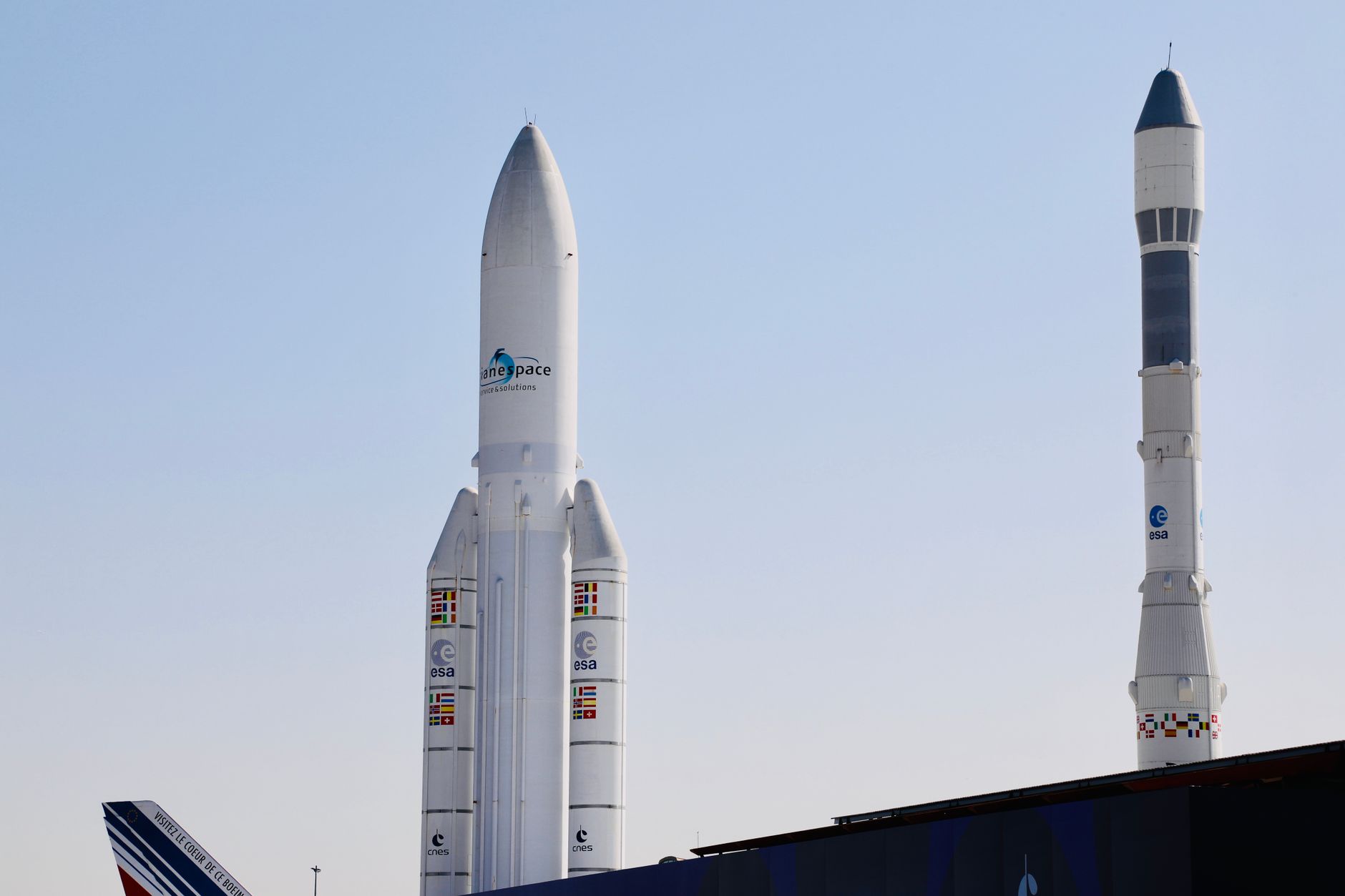
China PIESAT-2 satellite launch has successfully taken place, showcasing the country’s advancements in space technology. The Long March-2D rocket carried multiple satellites into orbit, highlighting China’s growing capabilities in this field.
Overview of the PIESAT-2 Launch
The recent launch of the PIESAT-2 satellite marks a significant achievement for China’s space program. This mission, carried out on the Long March-2D rocket, aimed to deploy a total of 13 to 16 satellites into orbit, showcasing China’s advancing capabilities in satellite technology and space exploration.
The PIESAT-2 satellite, part of a broader initiative to enhance data collection and Earth observation, is expected to play a crucial role in various applications. These include:
- Environmental monitoring: Tracking changes in land use and natural resources.
- Agricultural management: Supporting precision agriculture through detailed imaging.
- Disaster response: Providing critical data in the aftermath of natural disasters.
This launch not only emphasizes China’s commitment to expanding its satellite network but also reflects its strategic focus on utilizing technology for national development and global cooperation. The success of the PIESAT-2 satellite launch is a testament to the nation’s growing prowess in space endeavors.
Significance of the Long March-2D Rocket
The successful launch of the PIESAT-2 satellite aboard the Long March-2D rocket highlights the significance of this launch vehicle in China’s growing space capabilities. The Long March-2D rocket has been a workhorse for the Chinese space program, known for its reliability and versatility.
Key aspects of the Long March-2D rocket include:
- Proven Track Record: The rocket has conducted numerous successful missions, contributing to China’s advancements in satellite technology.
- Versatility: It is capable of launching various payloads, making it suitable for both commercial and scientific missions.
- Rapid Deployment: The Long March-2D can be prepared and launched quickly, allowing China to respond to urgent satellite needs effectively.
With the launch of the PIESAT-2 satellite, the Long March-2D continues to demonstrate its importance in enhancing China’s capabilities in earth observation and data collection, solidifying its role in the global space landscape.
What PIESAT-2 Aims to Achieve
The PIESAT-2 satellite launch represents a significant advancement in China’s space capabilities, focusing on multiple key objectives.
Among the primary aims of PIESAT-2 are:
- Earth Observation: The satellite is designed to enhance remote sensing technologies, providing high-resolution images for environmental monitoring and urban planning.
- Data Collection: PIESAT-2 will gather vital data on natural resources, contributing to more efficient management and conservation efforts.
- Scientific Research: It aims to support various scientific endeavors, including climate studies, by delivering accurate and timely information.
- Technological Innovation: The satellite serves as a platform for testing new technologies that can be integrated into future space missions.
Overall, the successful launch of the PIESAT-2 satellite is expected to bolster China’s position in satellite technology and enhance its capabilities in earth observation and data analytics.
China’s Growing Role in Space Exploration
China’s advancements in space exploration continue to gather momentum as the recent PIESAT-2 satellite launch showcases the nation’s growing capabilities in satellite technology and space missions. This launch is part of a broader strategy to enhance China’s position in the global space arena, demonstrating its commitment to innovation and development.
The PIESAT-2 satellite is designed to bolster various applications, including earth observation and communication. As China expands its satellite network, the implications for global surveillance, climate monitoring, and disaster management are significant.
Moreover, the successful deployment of the PIESAT-2 satellite on the Long March-2D rocket marks another milestone in China’s ambitious space agenda, which aims to establish a comprehensive satellite constellation by the end of the decade.
As the country continues to invest in research and development, its role in space exploration is likely to grow, leading to new collaborations and advancements that could reshape the future of global space operations.
Technological Innovations in Satellite Design
The successful launch of the China PIESAT-2 satellite marks a significant advancement in satellite design and technology. This new satellite incorporates several cutting-edge innovations that enhance its capabilities and efficiency.
Key technological innovations include:
- Advanced Imaging Systems: PIESAT-2 is equipped with high-resolution imaging technology that allows for precise data collection, benefiting various sectors, including agriculture and urban planning.
- Improved Propulsion Mechanisms: The satellite features updated propulsion systems that not only extend its operational lifespan but also enable more efficient orbit adjustments.
- Enhanced Data Transmission: With a focus on real-time data transmission, PIESAT-2 is designed to facilitate quicker access to information, which is crucial for timely decision-making.
These innovations reflect China’s commitment to pushing the boundaries of space technology and improving its satellite capabilities, positioning the nation as a leader in the global space arena.
Future Missions Planned by China
As China continues to expand its reach in space exploration, several future missions are already in the planning stages following the successful launch of the PIESAT-2 satellite. These upcoming endeavors aim to enhance not only satellite technology but also the nation’s capabilities in earth observation and communications.
- Enhanced Earth Observation: Future missions will focus on deploying advanced satellites that can offer improved imaging and data collection, vital for environmental monitoring and disaster response.
- Communications Advancements: China plans to launch multiple communication satellites that will bolster connectivity in remote areas and support various industries.
- International Collaborations: The country is looking to partner with other nations for joint missions, potentially increasing the scope and impact of its space projects.
- Exploration of Lunar and Martian Environments: Ambitious plans for lunar and Mars exploration are also on the horizon, showcasing China’s commitment to becoming a leader in space research.
Overall, the success of the China PIESAT-2 satellite launch is just the beginning of an exciting era in Chinese space exploration.
The China PIESAT-2 satellite launch marks a significant milestone in the country’s efforts to enhance its space capabilities. With advanced technology onboard, the China PIESAT-2 satellite launch is expected to provide valuable data for various applications, including environmental monitoring and urban planning.
Photo by Léa Claisse on Pexels
Sources
US AI policy: The Worst Risk to Global Safety Explained · Sea of Thieves Season 21: Best Proven Features Revealed · Kuaizhou-11 Rocket Launch: A Clear Success for China





Leave a Reply