

SpaceX satellite launch plans have been authorized, allowing the company to deploy up to one million satellites for orbital data centres. This bold move could revolutionize data collection and connectivity in space.
What is the SpaceX satellite launch plan?
The recent authorization by US regulators allows SpaceX to launch up to one million satellites aimed at establishing orbital data centers. This ambitious plan marks a significant step in the company’s journey to revolutionize access to global internet services and satellite technology.
SpaceX’s satellite launch plan involves deploying a constellation of thousands of satellites into low Earth orbit. The primary objectives include:
- Global Internet Coverage: Providing high-speed internet access to underserved and remote areas around the world.
- Data Collection: Enhancing capabilities for data gathering in various sectors, including environmental monitoring and disaster response.
- Commercial Opportunities: Opening new avenues for businesses to utilize satellite technology for communication and logistics.
Furthermore, the implementation of this satellite network is expected to improve the speed and reliability of internet connections globally. SpaceX believes that its innovative approach will not only contribute to technological advancements but also foster economic growth.
While the SpaceX satellite launch plan holds great promise, it raises questions regarding space debris and regulatory challenges. Critics argue that such a large number of satellites could lead to congestion in orbit, potentially endangering other missions. Nevertheless, SpaceX remains committed to addressing these concerns while pursuing its vision for a satellite-rich future.
How will SpaceX’s satellites impact data centres?
The recent authorization for SpaceX to launch up to one million satellites has raised questions about its potential impact on data centres. As the company embarks on this ambitious satellite launch initiative, experts are evaluating the implications for data storage, processing, and transmission.
One of the primary benefits of deploying a vast network of satellites is the enhancement of global internet coverage. With improved connectivity, data centres can operate more efficiently, particularly in remote areas where traditional infrastructure is lacking. This increased access could lead to:
- Reduced Latency: Satellites in lower orbits can offer faster data transmission, minimizing delays that currently challenge data centres.
- Enhanced Redundancy: A robust satellite network provides an alternative pathway for data transmission, ensuring that services remain operational even during terrestrial outages.
- Scalability: The ability to quickly deploy additional satellites allows data centres to scale their operations in response to growing demand.
Nevertheless, there are concerns associated with the SpaceX satellite launch. The influx of satellites may lead to overcrowding in orbit, increasing the risk of collisions and debris. Furthermore, the environmental impact of manufacturing and launching such a large number of satellites cannot be overlooked. Balancing these factors will be crucial as SpaceX moves forward with its plans.
Is the SpaceX satellite launch safe for space?
The safety of the SpaceX satellite launch has become a topic of significant discussion among experts and enthusiasts alike. As SpaceX prepares to deploy a vast network of satellites, concerns regarding space debris and orbital congestion are at the forefront of these discussions.
Experts have raised several points regarding the potential risks associated with such a large-scale launch. Key considerations include:
- Space Debris: With thousands of satellites planned, the risk of collisions increases, leading to the generation of space debris that could threaten existing satellites and even the International Space Station.
- Orbital Environment: The introduction of one million satellites could drastically alter the current orbital environment, complicating tracking and navigation for other spacecraft.
- Regulatory Oversight: As the number of satellites rises, ensuring compliance with international space laws and regulations becomes increasingly challenging, necessitating a robust framework for monitoring and managing satellite activity.
Despite these concerns, supporters of the SpaceX satellite launch argue that advancements in technology and improved tracking systems could mitigate these risks. Additionally, SpaceX has pledged to incorporate measures aimed at minimizing potential hazards, such as deorbiting satellites at the end of their operational life.
Ultimately, the question remains: will the benefits of the SpaceX satellite launch outweigh the potential risks to the safety of space?
The future of satellite technology with SpaceX
The future of satellite technology is poised for significant transformation with the recent SpaceX satellite launch authorization. As SpaceX prepares to deploy up to one million satellites, various implications for global communication and data management are emerging.
One key aspect is the potential for enhanced connectivity. With a dense network of satellites in low Earth orbit, reliable internet access could become ubiquitous, especially in remote or underserved regions. This shift may bridge the digital divide, offering opportunities for education and commerce to populations previously limited by infrastructure.
Moreover, the integration of artificial intelligence with satellite technology is likely to revolutionize data processing. Satellites can collect vast amounts of information, and advanced algorithms will enable real-time analysis, leading to more informed decision-making in fields such as agriculture, disaster response, and urban planning.
However, the rapid expansion of satellite networks also raises concerns. Issues related to space debris, signal interference, and the environmental impact of launching such a large number of satellites require careful consideration. Stakeholders must work together to address these challenges proactively.
As we look to the future, the role of companies like SpaceX will be critical. Their innovative approaches could set the standard for satellite technology and usage, shaping how we utilize space for years to come.
The recent SpaceX satellite launch has sparked a debate among experts about its implications for the future of space exploration. Many believe that the SpaceX satellite launch could pave the way for more ambitious projects in the coming years.
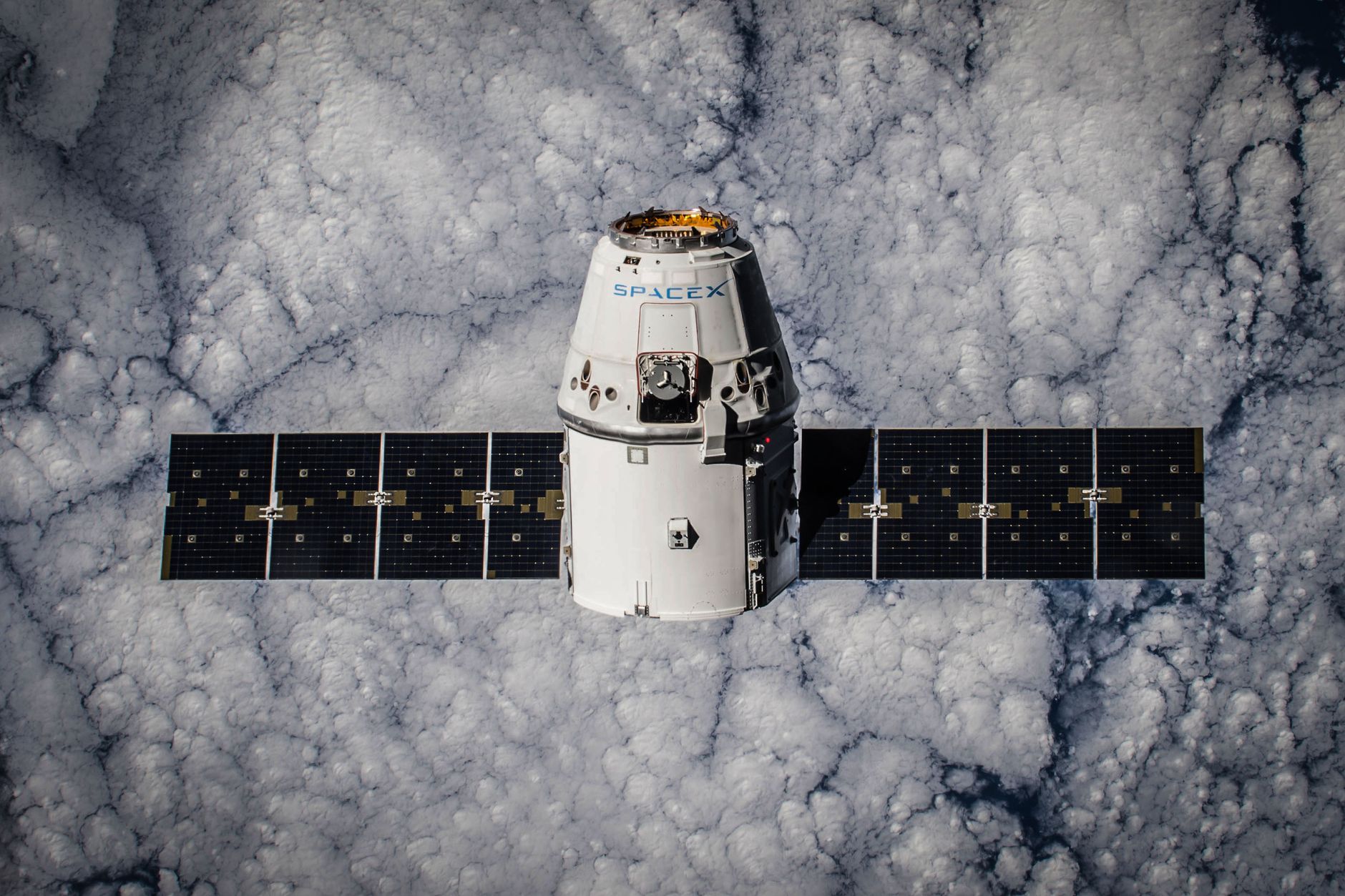
By NASA Goddard Photo and Video via Openverse








Leave a Reply