
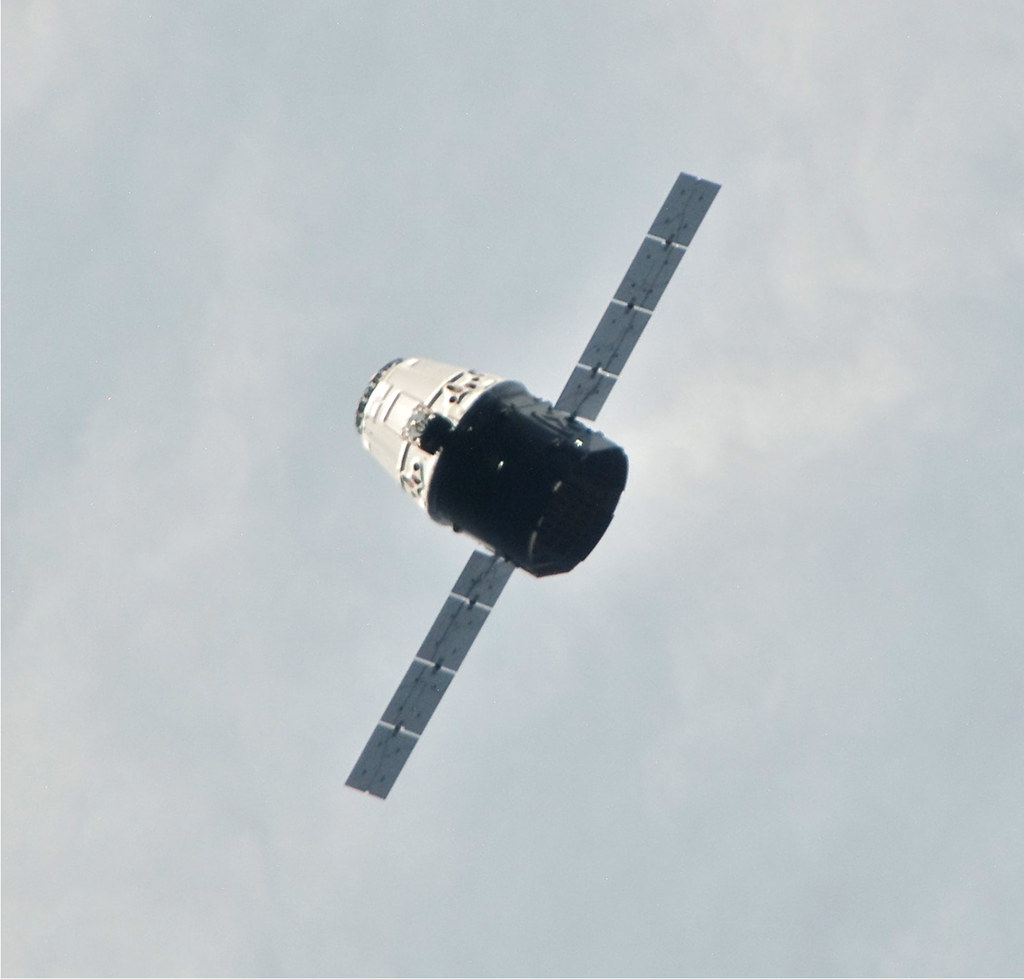
NASA SpaceX cargo mission has successfully undocked, marking another milestone in resupply efforts to the International Space Station. This mission showcases the ongoing collaboration between NASA and SpaceX.
Overview of NASA SpaceX Cargo Mission
The NASA SpaceX cargo mission has been a significant contributor to the International Space Station (ISS) resupply efforts. This collaboration between NASA and SpaceX has revolutionized how supplies and equipment are transported to astronauts living and working in space.
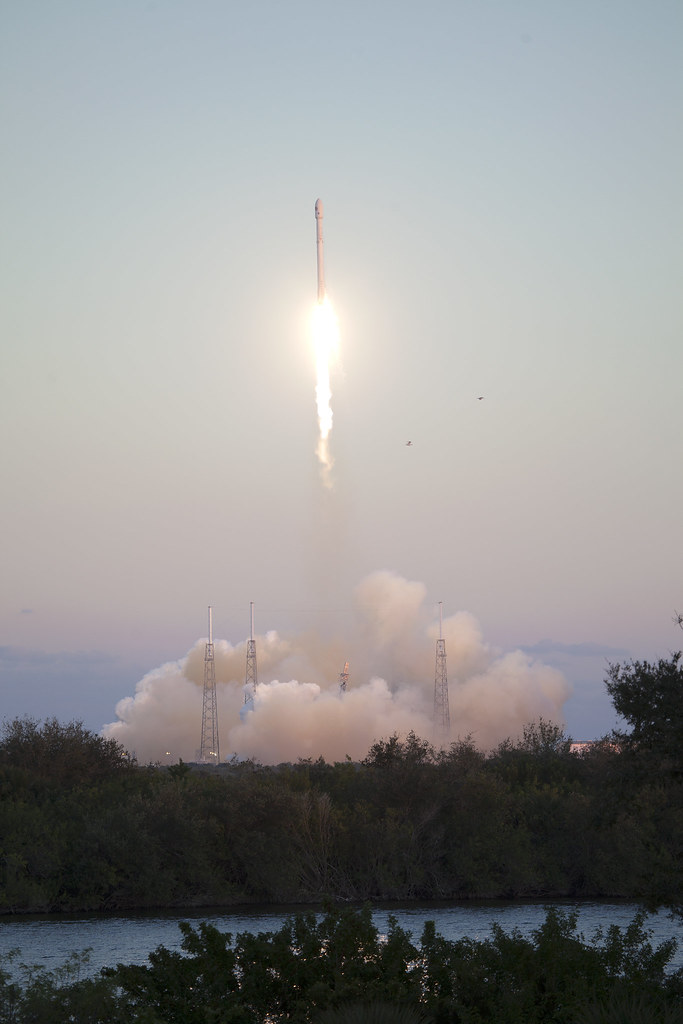
Since the inception of the Commercial Resupply Services program, SpaceX has successfully delivered numerous cargo shipments to the ISS using its Dragon spacecraft. This program aims to ensure a continuous flow of essential materials needed for scientific research and daily operations aboard the station.
Key aspects of the NASA SpaceX cargo mission include:
- Reliability: SpaceX has established a record of successful launches, demonstrating its dependability in resupply missions.
- Cost-effectiveness: The partnership has reduced the costs associated with transporting cargo to space.
- Innovation: The use of reusable rocket technology has paved the way for sustainable space exploration.
As the missions continue, the collaboration between NASA and SpaceX is expected to expand, further enhancing the capabilities of space exploration.
Significance of the Undocking Event
The recent undocking of the cargo spacecraft marks a significant milestone in the ongoing collaboration between NASA and SpaceX. This event highlights the importance of the NASA SpaceX cargo mission in ensuring a steady supply of essential materials to the International Space Station (ISS).
As the spacecraft departed from the ISS, it carried with it not only scientific experiments but also critical equipment needed for upcoming missions. The successful undocking demonstrates the reliability of commercial partnerships in space exploration.
Key points emphasizing the significance of this event include:
- Operational Efficiency: The timely undocking and return of the spacecraft indicate successful operational protocols and efficient mission planning.
- Scientific Contributions: The cargo delivered during previous missions continues to support research that benefits life on Earth.
- Future Missions: Each successful resupply mission lays the groundwork for future exploration endeavors, including crewed missions to the Moon and Mars.
Overall, this undocking event is a testament to the success of the NASA SpaceX cargo mission and its vital role in advancing space science and exploration.
Key Achievements of SpaceX
The NASA SpaceX cargo mission has marked several key achievements in the realm of space exploration and resupply efforts. These milestones not only demonstrate the capabilities of commercial spaceflight but also bolster international collaboration in scientific research.
- First Commercial Cargo Resupply: SpaceX became the first private company to successfully deliver cargo to the International Space Station (ISS) in 2012, paving the way for future missions.
- Increased Cargo Capacity: With advancements in the Dragon spacecraft, SpaceX has significantly increased its cargo capacity, allowing for more research materials and supplies to be sent to astronauts aboard the ISS.
- Regular Resupply Missions: The ongoing partnership between NASA and SpaceX has led to a series of regular resupply missions, ensuring that astronauts have the necessary resources to conduct experiments and maintain station operations.
- Cost Efficiency: The NASA SpaceX cargo mission has proven to be more cost-effective compared to previous government-funded missions, highlighting the benefits of involving commercial partners in space endeavors.
These achievements underscore the transformative impact of SpaceX on NASA’s resupply efforts, setting a precedent for future collaborations in space exploration.
Future Missions Planned
The future of the NASA SpaceX cargo mission looks promising, with several upcoming missions planned to continue supporting the International Space Station (ISS). These missions aim to enhance scientific research and maintain a steady supply of essential resources for astronauts aboard the ISS.
NASA has outlined a series of resupply missions, which include:
- CRS-28: Scheduled for launch in 2024, this mission will deliver critical supplies and scientific experiments.
- CRS-29: Planned for late 2024, this mission will focus on transporting additional materials needed for long-term experiments.
- CRS-30: Set for early 2025, it aims to carry advanced technology and equipment to support ongoing research.
These future missions are a testament to the collaboration between NASA and SpaceX, emphasizing their commitment to advancing space exploration and research. As the partnership continues to evolve, the potential for groundbreaking discoveries and innovations remains high, reinforcing the value of the NASA SpaceX cargo mission.
Impact on Space Exploration
The recent NASA SpaceX cargo mission has significantly impacted the future of space exploration. This successful partnership between NASA and SpaceX has demonstrated the viability of commercial space travel, paving the way for more ambitious missions.
One of the most notable effects is the reduction in costs associated with resupply missions. By utilizing reusable rocket technology, SpaceX has made it more economically feasible to transport supplies to the International Space Station (ISS). This shift allows NASA to allocate resources toward more exploratory missions beyond low Earth orbit.
Additionally, the success of these resupply efforts has fostered a new wave of private investment in space technology. Companies are now more willing to engage in partnerships that contribute to long-term goals in space research and development.
As we look to the future, the advancements made during the NASA SpaceX cargo mission will likely lead to enhanced capabilities for human spaceflight, further exploration of Mars, and the potential for establishing permanent human presence on other celestial bodies.
NASA and SpaceX Collaboration
The collaboration between NASA and SpaceX has transformed the landscape of space logistics, particularly with the ongoing NASA SpaceX cargo mission. This partnership leverages SpaceX’s innovative technology and NASA’s extensive experience in space exploration to create an efficient and reliable supply chain for the International Space Station (ISS).
Since the inception of this collaboration, several successful missions have highlighted the synergy between the two organizations. SpaceX’s Dragon spacecraft has been pivotal in delivering not only essential supplies but also scientific experiments that advance our understanding of space and life sciences.
Key elements of this partnership include:
- Cost Efficiency: By utilizing commercial capabilities, NASA has significantly reduced resupply costs.
- Reusability: SpaceX’s focus on reusable rocket technology has enhanced mission sustainability.
- Rapid Development: The agile development cycles allow for quicker response to the ISS’s needs.
As they prepare for future missions, NASA and SpaceX continue to demonstrate that collaboration can lead to groundbreaking advancements in space exploration.
Public Interest in Space Missions
The recent NASA SpaceX cargo mission has sparked significant public interest in space exploration and resupply efforts. Enthusiasm for these missions continues to grow as they demonstrate humanity’s ability to conduct complex operations beyond Earth.
Several factors contribute to this heightened interest:
- Innovative Technology: The advancements in reusable rocket technology by SpaceX have captured the imagination of the public, showcasing a more sustainable approach to space travel.
- Educational Outreach: NASA and SpaceX have actively engaged with schools and communities, inspiring the next generation of scientists and engineers.
- Live Coverage: The live broadcasts of launches and undocking events have made space missions more accessible, allowing people to witness history in real time.
- International Collaboration: The partnership between NASA and SpaceX highlights the collaborative spirit of modern space exploration, bringing together efforts from various countries.
As a result, public fascination with the NASA SpaceX cargo mission and future endeavors is likely to continue growing, fueling excitement and support for space initiatives.
By jurvetson via Openverse
Sources
Related stories
Lava Smart 4 Pro: The Best Affordable Phone You Need · iPhone Air 2 dual-camera: Is This the Best New Feature? · Missed the Broadcast? Simple Ways to Rewatch TikTok Live Sessions Later





Leave a Reply