
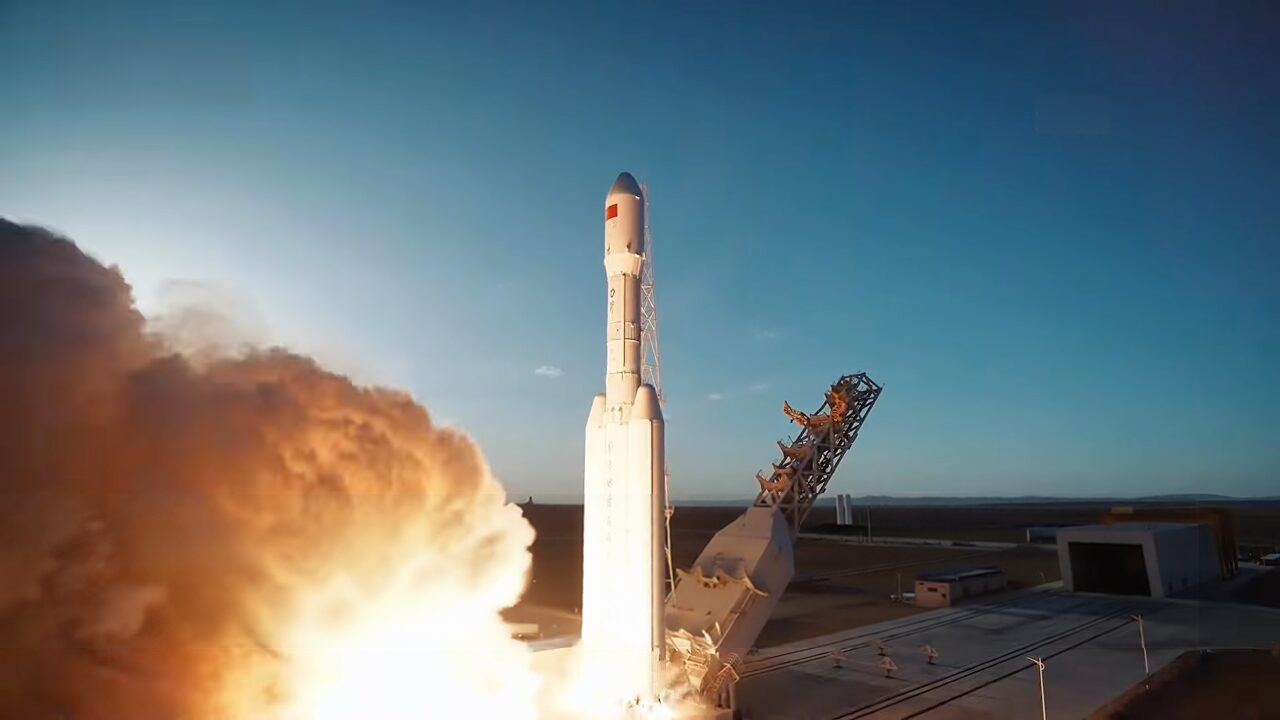
The Lijian-2 rocket launch successfully deployed a new group of satellites, reaffirming China’s growing capabilities in space exploration and technology.
Overview of the Lijian-2 Rocket
The Lijian-2 rocket, developed by China, is a significant advancement in the field of space exploration and satellite deployment. This launch vehicle is designed to carry a variety of payloads into orbit, showcasing its versatility and reliability.
With its recent success in launching a new group of satellites, the Lijian-2 rocket has proven its capabilities in meeting the growing demands of both commercial and governmental space missions. The rocket is engineered to support a range of missions, from Earth observation to telecommunications, highlighting its adaptability in various sectors.
Key features of the Lijian-2 rocket include:
- Payload Capacity: The rocket can carry payloads of significant weight, allowing it to launch multiple satellites in a single mission.
- Launch Versatility: Designed to accommodate different types of satellites, the Lijian-2 is suitable for both low Earth orbit and geostationary missions.
- Advanced Technology: Incorporating cutting-edge technology, the rocket ensures higher precision in satellite placement and reduces the risk of launch failures.
As the space industry continues to evolve, the Lijian-2 rocket launch marks a notable milestone in China’s efforts to enhance its position in global space exploration.
Significance of Satellite Deployment
The recent launch of the Lijian-2 rocket marks a significant milestone in satellite deployment, showcasing the growing capabilities of China’s space program. This mission is not just another successful launch; it highlights the importance of reliable satellite systems in various sectors.
Satellite deployment serves multiple critical functions:
- Communication: Satellites play a vital role in enhancing global communication networks, allowing for better connectivity in remote areas.
- Weather Monitoring: They provide essential data for meteorologists, enabling accurate weather forecasts and climate research.
- Earth Observation: Satellites are crucial for monitoring environmental changes, urban development, and natural disasters, providing invaluable information for governments and organizations.
- Scientific Research: They facilitate various scientific experiments, contributing to our understanding of space and Earth sciences.
The successful deployment of satellites via the Lijian-2 rocket underscores the technological advancements made in recent years. Each successful mission not only demonstrates engineering prowess but also enhances China’s strategic positioning in the global space race. As the demand for satellite technology continues to rise, the Lijian-2 rocket launches will likely play a pivotal role in meeting these needs, paving the way for future innovations.
China’s Space Program Advances
China’s space program continues to make significant strides with the recent success of the Lijian-2 rocket launch. This milestone is a testament to the nation’s advancements in aerospace technology and its commitment to expanding its capabilities in satellite deployment.
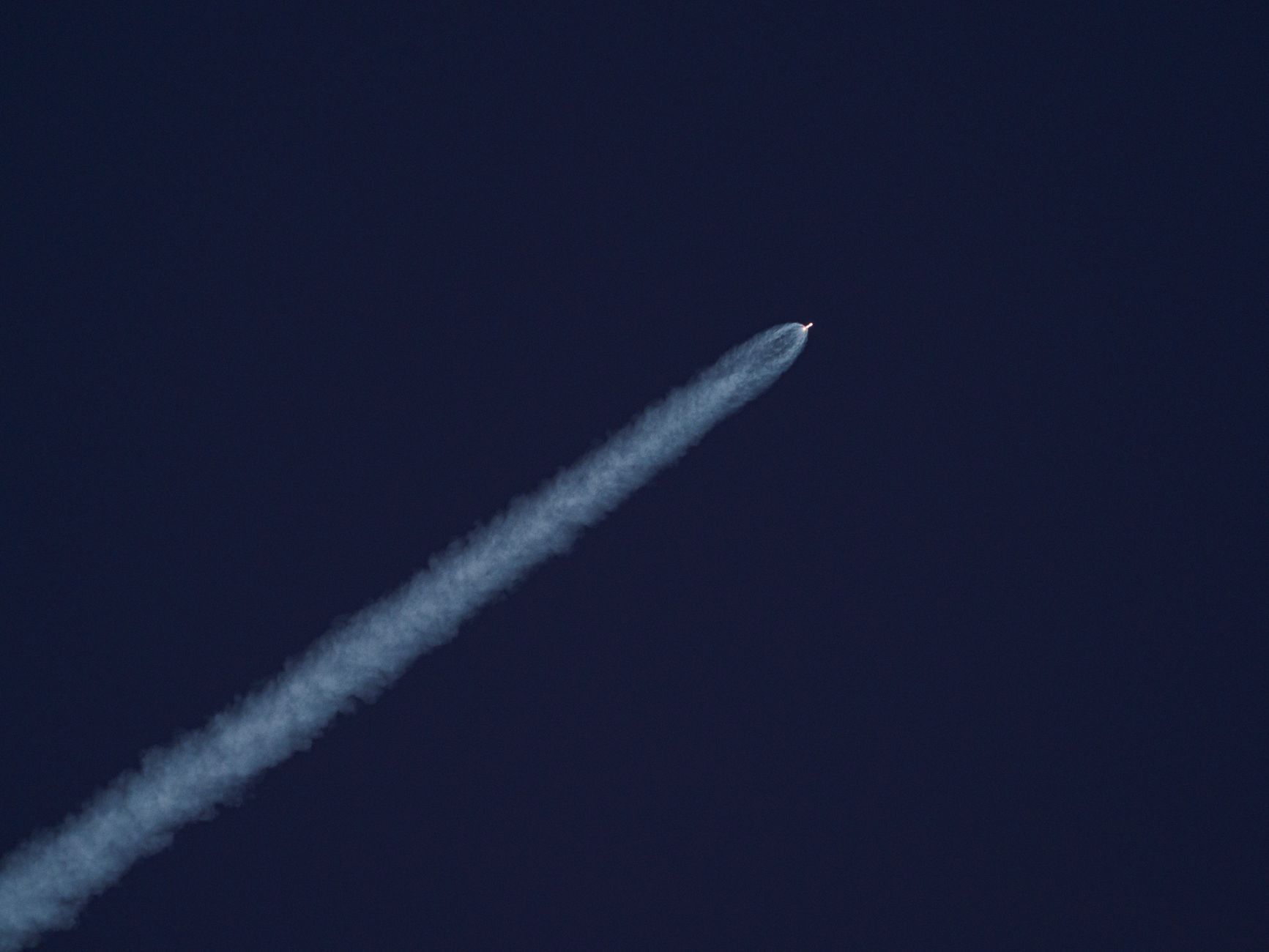
The Lijian-2 rocket, which has garnered attention for its innovative design and reliability, successfully lifted off and placed a new group of satellites into orbit. This launch not only showcases China’s growing expertise in space exploration but also enhances its position in the global space industry.
Key aspects of the Lijian-2 rocket launch include:
- Increased Payload Capacity: The Lijian-2 can carry a variety of satellites, making it versatile for different missions.
- Enhanced Reusability: Innovations in design allow for potential reuses, lowering costs and increasing the frequency of launches.
- Collaboration with Global Partners: The success of this mission opens doors for future partnerships in satellite technology and space research.
With the successful deployment of new satellites, China is poised to improve its communications, surveillance, and scientific research capabilities. The Lijian-2 rocket launch marks a new chapter in the nation’s ambitious space agenda, further establishing China as a key player in the global aerospace sector.
Technological Innovations in Space
The recent Lijian-2 rocket launch marks a significant milestone in technological innovations within the realm of space exploration. The advancements integrated into this launch highlight China’s commitment to enhancing its capabilities in satellite deployment. One of the key innovations is the rocket’s advanced propulsion system, which offers improved efficiency and reliability compared to its predecessors.
Moreover, the Lijian-2 is equipped with state-of-the-art guidance and control technologies. These systems enable precise navigation and trajectory corrections, ensuring successful deployment of satellites into their intended orbits. The ability to adapt to real-time conditions during flight showcases the sophistication of the technologies employed in this mission.
In addition, the rocket features enhanced payload capacity, allowing it to carry multiple satellites in a single launch. This capability not only reduces the cost of space missions but also accelerates the timeline for deploying essential satellite networks.
The development of reusable components within the Lijian-2 further emphasizes the focus on sustainability in space operations. By minimizing waste and optimizing resource usage, these innovations reflect a growing awareness of environmental considerations in space activities.
As China continues to push the boundaries of its space program, the successful Lijian-2 rocket launch stands as a testament to the nation’s technological prowess and its future ambitions in satellite deployment and beyond.
Future Missions Planned
The successful launch of the Lijian-2 rocket marks a significant milestone for China’s growing ambitions in space exploration and satellite deployment. Following this achievement, plans for future missions have already begun to take shape, highlighting the versatility and reliability of the Lijian-2 rocket.
Various upcoming missions aim to expand China’s satellite constellations, with a focus on enhancing communication, earth observation, and scientific research capabilities. These missions are expected to include:
- Further Satellite Deployments: Additional launches are planned to increase the number of satellites in orbit, providing improved data for weather forecasting, environmental monitoring, and disaster management.
- International Collaborations: China aims to establish partnerships with other nations to share satellite technology and data, promoting global scientific research and advancements.
- Innovative Payloads: Future missions will experiment with new payload designs and technologies, pushing the boundaries of what the Lijian-2 rocket can achieve in space.
- Exploration Missions: There are discussions regarding using the Lijian-2 rocket for deeper space exploration, potentially launching missions beyond Earth’s orbit.
As China’s space program continues to evolve, the Lijian-2 rocket launch serves as a foundation for future endeavors, solidifying its role as a key player in the global space race.
Impact on Global Satellite Network
The recent Lijian-2 rocket launch has significant implications for the global satellite network, enhancing communication capabilities and expanding data accessibility worldwide. This successful launch has allowed for the deployment of multiple satellites, which are set to improve services in various sectors, including telecommunications, weather monitoring, and global positioning systems.
With the integration of these new satellites, users can expect:
- Enhanced Connectivity: Improved satellite coverage will result in more reliable internet and communication services, especially in remote areas.
- Advanced Weather Forecasting: The newly deployed satellites will provide critical data for meteorological services, leading to more accurate predictions.
- Better Navigation: Enhanced global positioning capabilities from the satellite network will facilitate precise navigation for both civilian and commercial use.
Furthermore, the Lijian-2 rocket launch exemplifies China’s growing influence in space technology and its commitment to contributing to global satellite infrastructure. As the demand for satellite services continues to rise, this launch represents a strategic step forward in meeting those needs, ensuring that countries around the world can benefit from improved satellite technology.
As countries increasingly rely on satellite systems for a myriad of applications, China’s advancements in space will likely reshape the dynamics of global communications and technology deployment.
Public Reception of the Launch
The public reception of the Lijian-2 rocket launch has been overwhelmingly positive, reflecting growing enthusiasm for China’s advancements in space technology. Many observers noted the significance of this event, marking another milestone in the country’s ambitious space program.
Social media platforms buzzed with activity as users shared real-time updates, photos, and videos of the launch. Enthusiasts and experts alike engaged in discussions about the implications of the successful deployment of satellites. Comments highlighted not only the technical achievements but also the potential benefits these satellites could bring to various sectors, such as telecommunications and environmental monitoring.
Public interest was further fueled by government officials who recognized the importance of the Lijian-2 rocket launch for national pride and technological prowess. State media reported on the launch with a sense of excitement, emphasizing how it positions China as a key player in the global space arena.
In addition to general public support, the launch drew attention from international observers, with many analysts commenting on China’s strategic advancements in satellite capabilities. Experts argue that such developments not only enhance China’s own infrastructure but also contribute to a more interconnected global satellite network.
As the space community reflects on the Lijian-2 rocket launch, it is clear that the event has solidified public interest and confidence in China’s ongoing space endeavors.
The recent Lijian-2 rocket launch has demonstrated remarkable efficiency in deploying multiple satellites into orbit. As a result, the Lijian-2 rocket launch is set to enhance future satellite missions and expand communication capabilities.
By 中国新闻社 via Openverse
References
Related reading
GeForce NOW subscription plans: Easy Savings and Features · Redmi M100 Pro features: Is it the Best Smartphone for You? · Vivo Y32 5G Features: Best Proven Specs for Users



Leave a Reply