
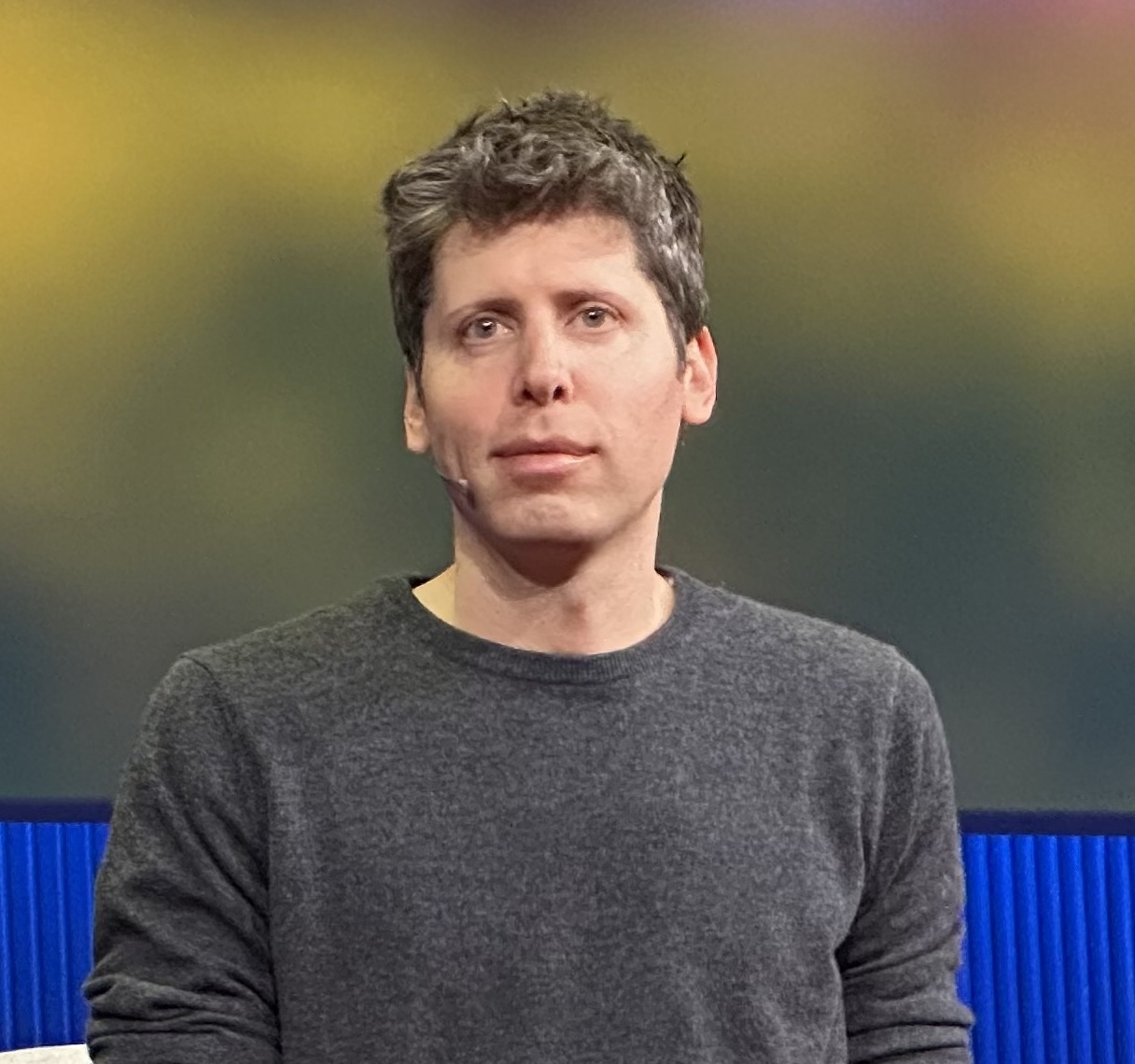
OpenAI new model has been scrapped, and the company has issued an apology regarding a recent Medicare hack. This decision has sparked widespread debate in the AI community.
What Led to the OpenAI New Model Decision?
The recent decision by OpenAI to halt the release of its new model has sparked widespread debate within the artificial intelligence community. Many experts are questioning the motivations behind this significant move.
Several factors contributed to the decision, including:
- Ethical Concerns: OpenAI has faced increasing scrutiny regarding the ethical implications of their technology. The potential for misuse was heightened by recent incidents, including a notable Medicare hack that raised alarms about data security.
- Public Backlash: Following the hack, public trust in AI technologies has waned. OpenAI’s leadership recognized the risks associated with releasing a new model amid growing fears of exploitation, leading them to rethink their strategy.
- Regulatory Pressure: Governments worldwide are introducing stricter regulations on AI development. OpenAI’s decision reflects the evolving landscape of compliance requirements, prompting them to reassess their timelines and priorities.
- Internal Disagreements: Sources indicate that there were divergent opinions within OpenAI about the readiness and safety of the new model. This lack of consensus may have played a role in the decision to delay its launch.
These combined factors ultimately led to OpenAI’s choice to scrap the release of the new model, a decision that many in the field view as a setback for AI progress.
Implications of the Medicare Hack
The recent decision by OpenAI to scrap the release of their new model has raised significant concerns regarding the implications of the Medicare hack. This incident not only undermines public trust but also highlights the vulnerabilities that can arise in AI systems. The implications are far-reaching and can affect various stakeholders.
Firstly, the hack compromises sensitive patient information, leading to potential privacy violations. Individuals whose data was exposed may face identity theft risks, which can have lasting effects on their lives.
Secondly, the healthcare industry might experience a ripple effect. Trust in AI technologies, such as those developed by OpenAI, could diminish. As AI plays an increasingly critical role in healthcare, any setbacks in its reliability could slow down the integration of these technologies into medical practices.
Moreover, regulatory bodies may tighten their scrutiny over AI models, leading to prolonged development timelines. Companies may find themselves navigating a more complicated landscape if regulations become stricter as a direct consequence of the hack.
Lastly, this situation could deter future investments in AI research and development. Investors are often wary of potential risks, and incidents like this could result in reduced funding for innovative projects.
In conclusion, the implications of the Medicare hack extend beyond OpenAI’s new model decision and could have lasting effects on the future of AI in critical sectors like healthcare.
Community Reactions to OpenAI’s Apology
In the wake of OpenAI’s decision to scrap the release of their new model, the community has expressed a mix of disappointment and concern. Many industry experts believe that this move could significantly hinder AI progress. The apology issued by OpenAI did little to assuage fears about the potential impact of their actions.
Reactions have ranged from supportive to critical, with several notable voices in the AI community weighing in:
- Dr. Emily Chen, AI Ethics Researcher: “This decision might be seen as a responsible move, but it also raises questions about transparency in AI development.”
- Mark Rivera, Tech Analyst: “OpenAI’s new model had the potential to revolutionize our understanding of AI. Scrapping it feels like a step backward.”
- Sarah Lopez, AI Developer: “While I understand the rationale, the lack of a clear path forward is troubling. We need innovation, not stagnation.”
Social media platforms have also been buzzing with reactions. Many users have taken to Twitter to share their thoughts, with hashtags like #OpenAIModelDebate trending. Some believe this represents a larger issue within the AI community, questioning whether the focus on safety is overshadowing the importance of progress.
As the dust settles, it remains to be seen how OpenAI will navigate the fallout from this decision and what it means for the future of AI development.
Future of AI Models Post-OpenAI’s Announcement
The recent decision by OpenAI to scrap the release of their new model has sent ripples through the artificial intelligence community, raising concerns about the future trajectory of AI development. Experts are debating the long-term implications of this move, especially in light of the challenges posed by the recent Medicare hack.
Many industry leaders believe that the decision to halt the model’s release represents a significant setback for AI progress. They argue that with every new model iteration, advancements in safety, efficiency, and usability are achieved. Some key points to consider include:
- Innovation Stagnation: The decision may hinder innovation within the AI sector, as developers and researchers look to OpenAI for leadership in creating safer and more effective models.
- Trust Issues: The community’s trust in OpenAI may erode if they feel the organization is overly cautious and reactive rather than proactive.
- Competitive Landscape: Other AI companies might seize the opportunity to fill the gap left by OpenAI, potentially leading to faster advancements outside of the organization.
As we look toward the future of AI models post-OpenAI’s announcement, the overarching question remains: will this decision ultimately benefit the field, or will it stifle progress at a critical juncture? The answer may shape the landscape of AI for years to come.
The OpenAI new model has sparked widespread debate among experts and enthusiasts alike. Critics argue that the OpenAI new model could hinder innovation rather than promote it.
By Steve Jurvetson via Openverse








Leave a Reply