
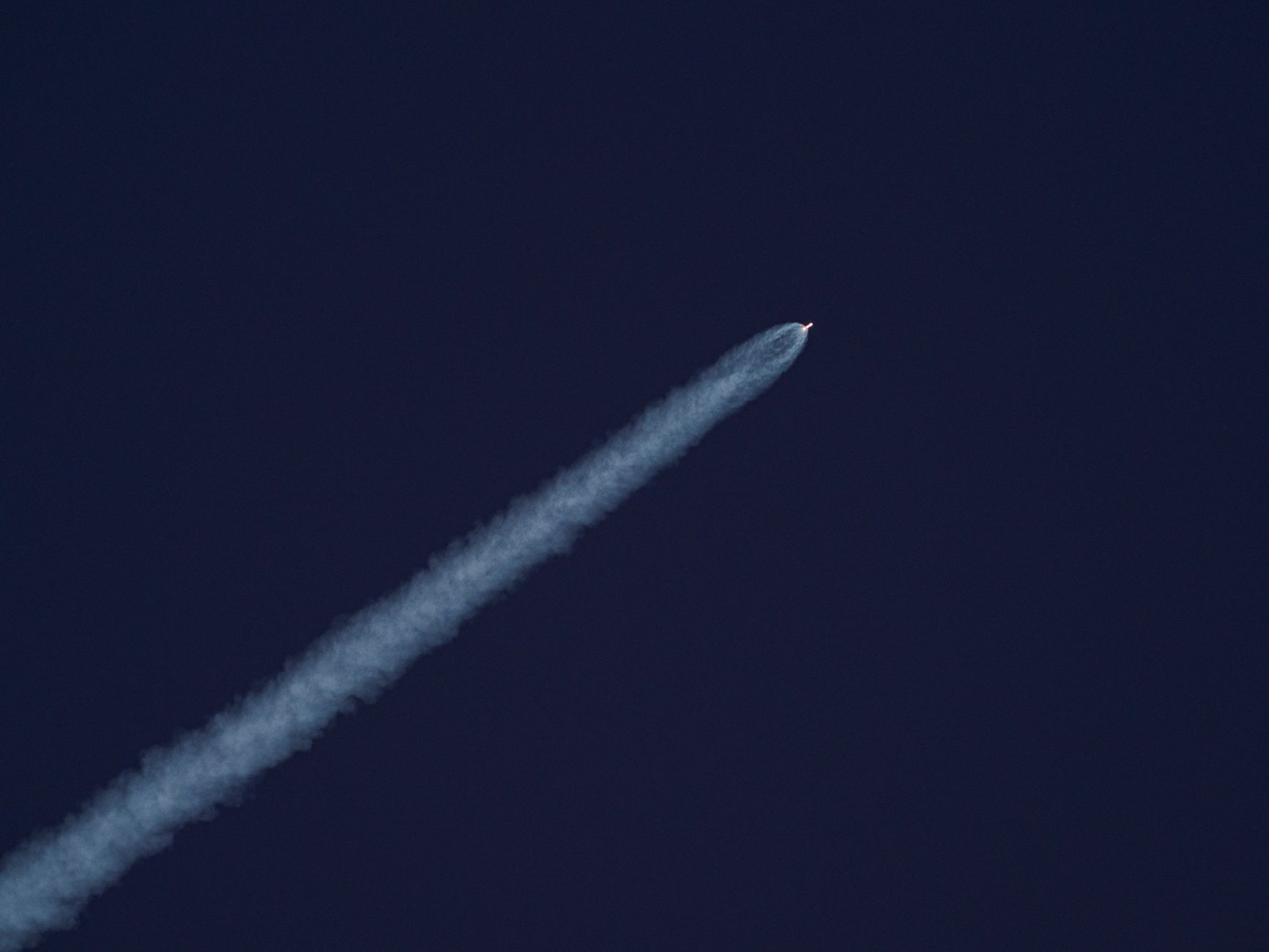
The Kuaizhou-11 rocket launch successfully placed two satellites into orbit, showcasing China’s advancements in space technology. This achievement marks a significant milestone for the country’s space program.
Overview of the Kuaizhou-11 Rocket
The Kuaizhou-11 rocket, a significant advancement in China’s space launch capabilities, successfully lifted off on its latest mission. This launch, which occurred on a recent date, showcased the reliability and efficiency of the Kuaizhou-11 rocket design. With a payload capacity that allows for the deployment of multiple satellites, it has become a pivotal asset for China’s space program.
The Kuaizhou-11 rocket is known for its:
- Quick launch turnaround times, making it suitable for a variety of missions.
- Cost-effective design, which appeals to commercial satellite operators.
- Ability to carry a range of payloads, including scientific satellites and Earth observation instruments.
During this mission, the Kuaizhou-11 successfully placed two satellites into orbit, reaffirming its role in supporting China’s expanding space infrastructure. The satellites launched are expected to enhance communications and improve data collection for various applications.
As China continues to invest in its space exploration efforts, the Kuaizhou-11 rocket launch marks another step forward in achieving greater independence in space technology. The successful deployment of these satellites underscores the rocket’s potential as a reliable launch vehicle for future missions.
Significance of the Satellite Launch
The recent launch of the Kuaizhou-11 rocket marks a significant achievement for China’s space program, particularly in the realm of satellite deployment. This successful mission reinforces China’s growing capabilities in rocket technology and satellite operations, showcasing its commitment to expanding its presence in space.
One of the key implications of the Kuaizhou-11 rocket launch is its impact on various sectors, including telecommunications, environmental monitoring, and national security. The satellites placed into orbit are expected to enhance data collection and analysis, which will benefit both governmental and commercial applications.
Moreover, the Kuaizhou-11 rocket’s design allows for rapid deployment, making it a crucial asset for timely satellite launches. This capability is particularly important for responding to urgent needs in areas such as disaster management and scientific research.
In addition to its practical applications, the Kuaizhou-11 launch signifies China’s determination to be a leader in space technology. It reflects the country’s strategic goals and investments in advanced aerospace systems, aiming to foster innovation and international collaboration in the field.
Overall, the success of the Kuaizhou-11 rocket launch not only demonstrates China’s technical prowess but also highlights the importance of satellite technology in addressing contemporary challenges, paving the way for future advancements in space exploration.
Details of the Satellites Deployed
The recent Kuaizhou-11 rocket launch successfully deployed two satellites into orbit, marking a significant achievement for China’s space program. The mission, which took place on October 18, 2023, saw the Kuaizhou-11 rocket lift off from the Jiuquan Satellite Launch Center.
The satellites launched during this mission include:
- Shijian-21: A technology demonstration satellite aimed at testing new space technologies that could enhance China’s capabilities in satellite operations.
- APSTAR-6E: A commercial communications satellite designed to provide enhanced telecommunication services across Asia, furthering China’s aims in the competitive satellite market.
Both satellites are expected to play crucial roles in their respective fields. The Shijian-21 satellite will conduct experiments that contribute to future space missions, while the APSTAR-6E is anticipated to improve connectivity for a wide range of users, from businesses to individual consumers.
This successful Kuaizhou-11 rocket launch not only demonstrates China’s growing prowess in rocket technology but also signifies its commitment to advancing satellite capabilities that can benefit both domestic and international markets.
China’s Growing Space Ambitions
China’s recent advancements in space technology are underscored by the successful launch of the Kuaizhou-11 rocket, marking a significant milestone in the nation’s growing space ambitions. This achievement not only showcases China’s increasing capabilities in satellite deployment but also highlights its commitment to becoming a major player in the global space arena.
The Kuaizhou-11 rocket, which has been under development for several years, represents a shift towards more reliable and efficient launch systems. This new generation of rockets is designed to support a variety of missions, including commercial satellite deployment and scientific exploration. The successful launch of the Kuaizhou-11 Y3 is a testament to the progress made in this field.
As China continues to expand its presence in space, several key objectives drive its ambitions:
- Enhancing National Security: Satellites play a crucial role in monitoring and defense capabilities.
- Fostering Economic Growth: The commercialization of space launches opens new markets and opportunities.
- Advancing Scientific Research: Space exploration enhances knowledge in various scientific domains.
- International Collaboration: China aims to partner with other nations for joint space missions.
The Kuaizhou-11 rocket launch is a clear success for China, reinforcing its determination to become a leader in space exploration and technology.
Future Launch Plans for Kuaizhou-11
Following the successful Kuaizhou-11 rocket launch, plans for future missions are already in the pipeline. The accomplishment not only highlights China’s growing capabilities in space technology but also sets the stage for more ambitious projects.
The China Aerospace Science and Technology Corporation (CASC) has announced a series of upcoming launches utilizing the Kuaizhou-11 rocket. These missions aim to enhance satellite deployment capabilities and further support China’s satellite navigation and Earth observation programs.
Future launch plans include:
- Increased Frequency: CASC intends to increase the frequency of Kuaizhou-11 launches to meet rising demand for commercial satellite services.
- International Collaborations: China is exploring partnerships with other countries to facilitate joint satellite missions using the Kuaizhou-11 rocket.
- Enhanced Payload Capacity: Upgrades are being considered to improve the payload capacity of the Kuaizhou-11, allowing for heavier and more complex satellites to be deployed.
- Research and Development Initiatives: Continuous improvements in technology are expected, with a focus on making the Kuaizhou-11 more efficient and cost-effective.
The successful Kuaizhou-11 rocket launch marks just the beginning of an exciting era for China’s space exploration ambitions.
Impact on Global Space Exploration
The successful launch of the Kuaizhou-11 rocket has significant implications for global space exploration. With its ability to deliver payloads with precision, the Kuaizhou-11 is positioning China as a key player in the competitive landscape of space technology.
This launch not only strengthens China’s capabilities but also encourages international collaboration. As countries around the world seek to enhance their own space programs, the Kuaizhou-11 rocket launch serves as a benchmark for performance and reliability.
Among the various impacts, a few stand out:
- Increased Access to Space: The Kuaizhou-11 offers a cost-effective solution for launching satellites, which could lead to increased participation from smaller nations and private companies.
- Technological Advancements: The technologies developed for the Kuaizhou-11 could inspire innovations and improvements in rocket design and satellite technology globally.
- Geopolitical Dynamics: As China continues to demonstrate its capabilities with the Kuaizhou-11 rocket, other nations may be prompted to reassess their own space strategies and collaborations.
In summary, the Kuaizhou-11 rocket launch is not merely a success for China; it heralds a new era in global space exploration, influencing future missions and international partnerships.
Photo by Dirk Schuneman on Pexels






Leave a Reply