
Amazon Leo satellites are a groundbreaking development in space technology, recently launched aboard the Ariane 6 rocket. This initiative aims to enhance global internet access and connectivity.
Overview of Amazon Leo Satellites
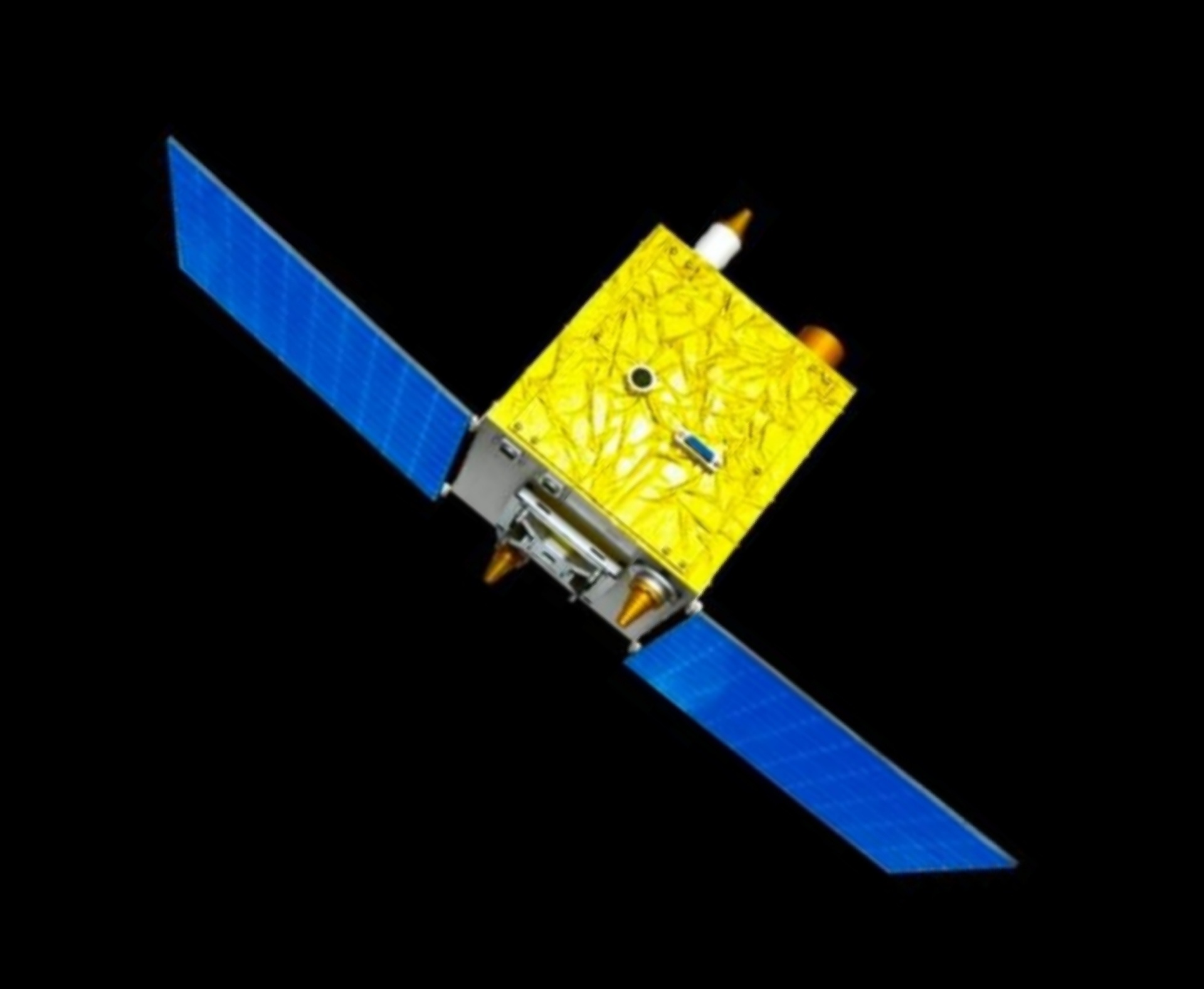
The recent launch of Amazon Leo satellites marks a significant step in the company’s commitment to expanding global internet coverage. These satellites are part of Amazon’s Project Kuiper, aimed at providing high-speed broadband services to underserved areas around the world.
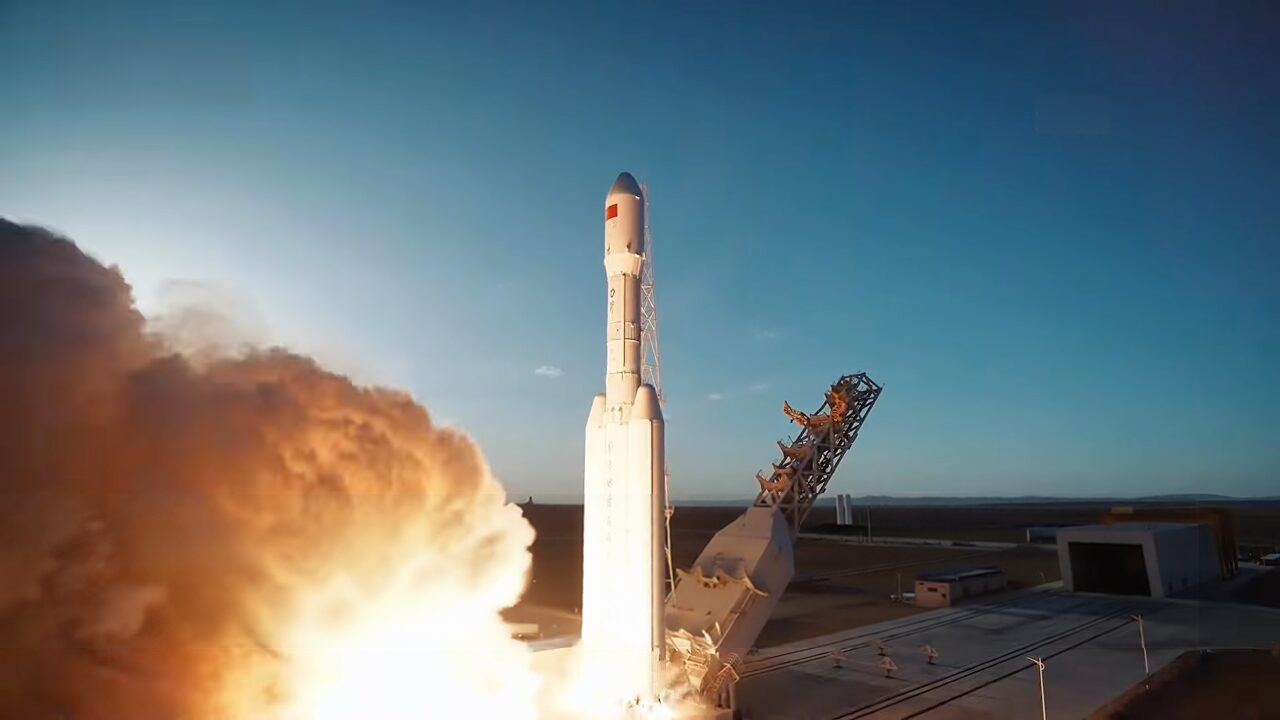
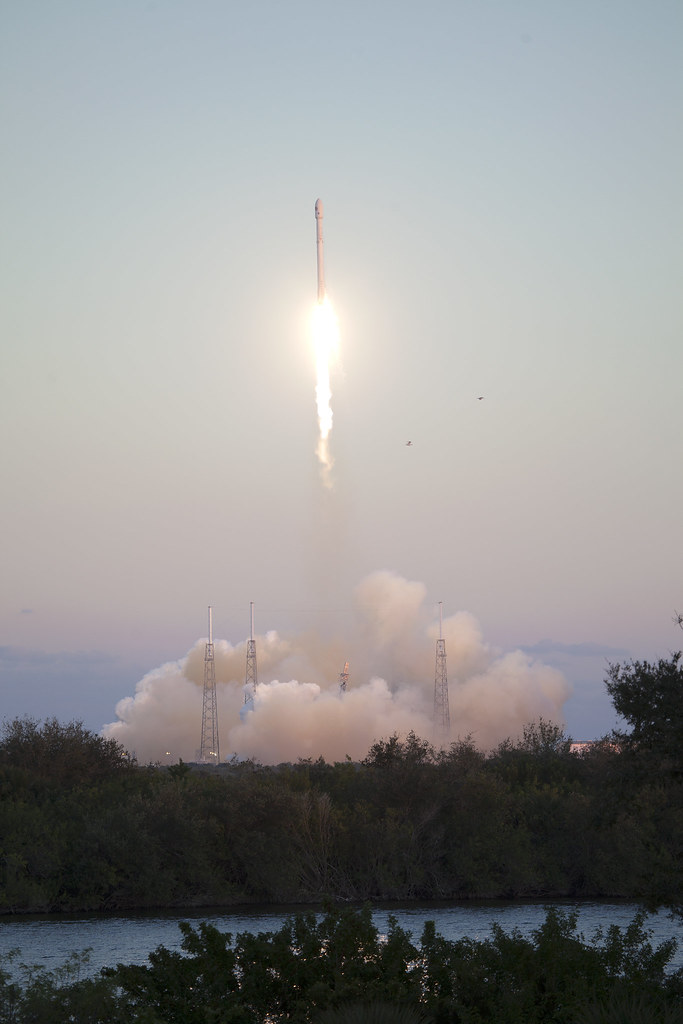
The launch, which successfully deployed 36 satellites aboard the Ariane 6 rocket, showcases a proven strategy for reaching ambitious connectivity goals. With this innovative approach, Amazon is leveraging advanced technology to ensure robust communication capabilities.
Key features of the Amazon Leo satellites include:
- Low Earth Orbit Deployment: Positioned closer to the Earth, these satellites can reduce latency.
- Global Coverage: Designed to provide service in remote and rural regions.
- Scalability: The satellite constellation allows for easy expansion to meet increasing demand.
Overall, the deployment of Amazon Leo satellites represents a crucial investment in the future of global connectivity.
The Significance of the Ariane 6 Launch
The recent launch of Amazon Leo satellites aboard the Ariane 6 rocket marks a significant milestone in the company’s ambitious plans for global internet coverage. This launch strategy is notable for several reasons:
- Reliability: The Ariane 6 has been designed with enhanced reliability, making it an ideal choice for delivering critical payloads like the Amazon Leo satellites.
- Cost-Effectiveness: Utilizing the Ariane 6 aligns with Amazon’s goal to minimize launch costs while maximizing deployment efficiency.
- Scalability: The rocket’s capacity allows for the simultaneous launch of multiple satellites, enabling Amazon to expand its constellation rapidly.
- Partnerships: Collaborating with Arianespace strengthens Amazon’s position in the competitive satellite launch market.
As the company forges ahead with its satellite network, the success of the Ariane 6 launch is likely to be a pivotal factor in realizing the vision of comprehensive global connectivity through Amazon Leo satellites.
Impact on Global Connectivity
The recent launch of Amazon Leo satellites aboard the Ariane 6 rocket marks a significant advancement in global connectivity. With these satellites in orbit, Amazon aims to provide high-speed internet access to underserved regions around the world.
The benefits of deploying these satellites extend beyond mere internet access. Key impacts include:
- Enhanced Communication: Improved communication networks can lead to better opportunities for education and business development.
- Economic Growth: By connecting remote areas, Amazon Leo satellites may stimulate economic activity and job creation.
- Disaster Response: Reliable communication systems can be vital during emergencies, facilitating faster response times.
As the demand for broadband continues to rise globally, Amazon’s investment in Leo satellites represents a proactive approach to bridging the digital divide. This initiative is expected to reshape the landscape of connectivity, ensuring that more people can access essential online services.
Challenges in Satellite Deployment
The deployment of Amazon Leo satellites presents several challenges that must be addressed to ensure a successful operation. One major concern is the complexity of coordination during launches. Each satellite must be precisely placed into its designated orbit, which requires meticulous planning and execution.
Another significant challenge involves regulatory compliance. As Amazon expands its satellite network, it must navigate various international laws and regulations related to space traffic management and frequency allocation.
Moreover, technological hurdles cannot be overlooked. The integration of advanced communication systems and ensuring compatibility with existing infrastructure is vital for the effectiveness of the Amazon Leo satellites.
Finally, cost management remains a critical factor. Balancing the financial investment required for manufacturing and launching these satellites while maintaining competitive pricing for services is essential for Amazon’s long-term success in the satellite market.
Future of Space Technology
The future of space technology is increasingly tied to the success of initiatives like the Amazon Leo satellites. As the demand for global connectivity grows, companies are looking to innovate and enhance satellite deployment strategies. The recent launch of 36 Amazon Leo satellites aboard the Ariane 6 rocket marks a significant milestone in this evolution.
With advancements in communication technology, these satellites are poised to provide high-speed internet access to underserved regions worldwide. This not only opens up new markets but also enables greater access to information, education, and economic opportunities for millions.
However, as we look ahead, challenges such as orbital debris management and regulatory hurdles remain critical. Stakeholders must work collaboratively to address these issues, ensuring sustainable practices in the deployment and operation of satellite networks.
In summary, the trajectory of Amazon Leo satellites reflects a broader shift in space technology, emphasizing innovation, accessibility, and responsible stewardship of our orbital environment.
How Amazon Leo Compares to Competitors
As Amazon Leo satellites prepare for their deployment, comparisons with competitors highlight the unique positioning and strategy of Amazon in the satellite industry. Major players such as SpaceX and OneWeb have established their own constellations, but Amazon’s approach shows distinct advantages.
Key factors that set Amazon Leo apart include:
- Launch Reliability: The use of the Ariane 6 rocket ensures a robust and reliable launch process, crucial for maintaining operational timelines.
- Global Coverage: Amazon Leo satellites are designed to offer extensive coverage, aiming to bridge the connectivity gap in underserved regions.
- Integration with Existing Services: Amazon’s existing infrastructure allows for seamless integration of satellite offerings with its other services, enhancing customer experience.
- Innovative Technology: Amazon is investing heavily in advanced technology to improve satellite performance and reduce costs.
These factors suggest that Amazon Leo satellites may redefine connectivity standards and challenge the current market dynamics.
References
Related reading
HONOR Wide Foldable: The Best New Phone Launch in 2027 · AI businesses India: What’s the Best Way to Scale? · Vivo S70 series launch: Best Proven Features to Expect


Leave a Reply