
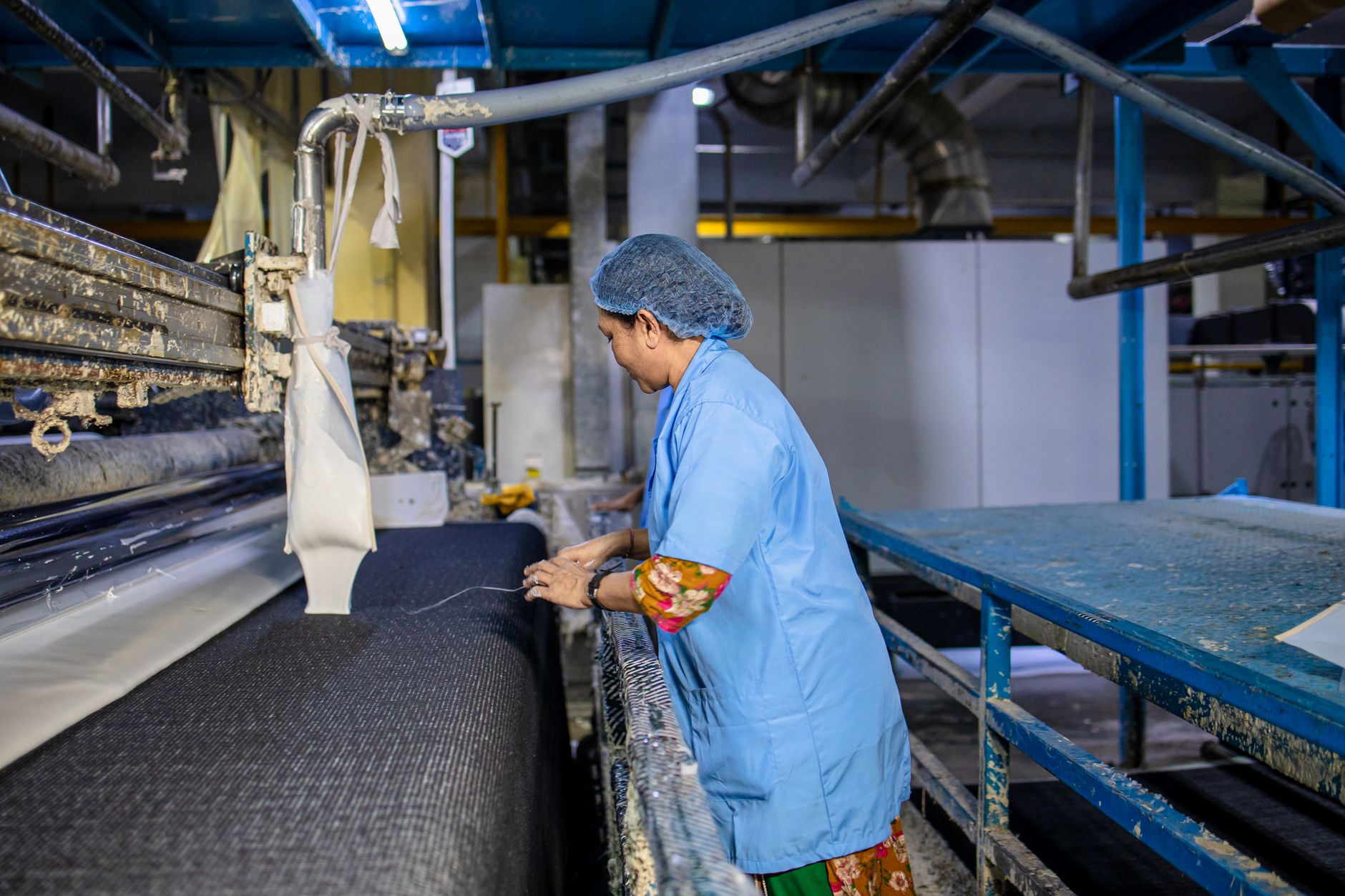
The textile processing standard is set to revolutionize the industry with its comprehensive guidelines. This new standard aims to include a wider range of eligible fibers, ensuring better sustainability and quality in textile production.
What is the GRTS standard?
The GRTS standard, recently launched by Global Standards, represents a significant advancement in the realm of textile processing standards. This new guideline aims to enhance sustainability and efficiency within the textile industry by encompassing a broader range of eligible fibres.
One of the key features of the GRTS standard is its comprehensive approach to textile processing, which includes:
- Inclusivity: It covers a diverse array of fibres, allowing manufacturers to utilize various materials while adhering to best practices.
- Sustainability: The standard promotes environmentally responsible processing methods, reducing the ecological footprint of textile production.
- Quality Assurance: By meeting the GRTS standard, producers can ensure higher quality in their final products, appealing to increasingly eco-conscious consumers.
As the textile industry evolves, the adoption of the GRTS standard may offer a competitive edge for companies looking to enhance their environmental credentials and product offerings. However, businesses must consider whether this textile processing standard aligns with their operational goals and market demands. Ultimately, the decision to adopt the GRTS standard should weigh the benefits of compliance against the costs of implementation.
Benefits of the new textile processing standard
The introduction of the new textile processing standard, known as GRTS, brings several benefits that can significantly impact manufacturers and consumers alike. Adopting this standard can enhance the overall quality of textile products while promoting sustainability and ethical practices within the industry.
Some of the key benefits of the GRTS standard include:
- Broader Range of Fibres: The GRTS standard covers a wider variety of eligible fibres, allowing manufacturers to diversify their product offerings and cater to various market demands.
- Sustainability Focus: This new standard emphasizes environmentally friendly practices, encouraging the use of sustainable materials and processes that reduce waste and energy consumption.
- Improved Consumer Trust: By adhering to the GRTS standard, companies can build credibility and trust with consumers who are increasingly concerned about the origins and processing of their textiles.
- Market Competitiveness: Companies that adopt the GRTS standard may gain a competitive edge in the marketplace, appealing to eco-conscious consumers and those who prioritize quality.
- Compliance and Certification: The GRTS standard provides clear guidelines for compliance, making it easier for businesses to achieve certification and demonstrate their commitment to quality and sustainability.
In summary, the textile processing standard offers numerous advantages that can enhance product quality while aligning with modern consumer values.
How does GRTS affect manufacturers?
The introduction of the GRTS standard has significant implications for manufacturers in the textile industry. By adopting this new textile processing standard, manufacturers can enhance their competitiveness in a rapidly evolving market.
One of the primary effects of GRTS on manufacturers includes:
- Improved Compliance: With stricter guidelines, manufacturers can ensure they meet international standards, which can lead to increased market access.
- Enhanced Quality: GRTS emphasizes quality control throughout the processing chain, allowing manufacturers to produce products that meet consumer expectations.
- Broader Fiber Eligibility: The new standard covers a wider range of eligible fibers, enabling manufacturers to diversify their product offerings and cater to various market demands.
- Increased Sustainability: GRTS encourages sustainable practices, which can improve a manufacturer’s brand image and appeal to environmentally conscious consumers.
However, adapting to the GRTS standard requires investment in training and technology. Manufacturers must weigh the costs against the potential benefits. Ultimately, adopting the GRTS textile processing standard could be a strategic move that aligns with global trends in quality and sustainability, positioning manufacturers favorably in the competitive landscape.
Eligible fibers under the new standard
The new textile processing standard, known as GRTS, introduces a comprehensive list of eligible fibers that manufacturers can utilize to enhance their products. This standard aims to accommodate a broader range of materials, ensuring that both traditional and innovative fibers are recognized and certified under the GRTS framework.
Eligible fibers under the new standard include:
- Cotton: A staple in the textile industry, known for its comfort and versatility.
- Wool: Valued for its natural insulating properties and durability.
- Polyester: A synthetic fiber that offers strength and resistance to shrinking and wrinkling.
- Lyocell: An eco-friendly fiber made from wood pulp, recognized for its biodegradability.
- Hemp: Celebrated for its sustainability and strength, making it an excellent choice for eco-conscious brands.
- Recycled fibers: Including those made from post-consumer waste, promoting circular fashion practices.
By expanding the list of eligible fibers, the GRTS standard provides manufacturers with the flexibility to choose materials that align with their sustainability goals while still meeting consumer demands for quality and performance. This shift could significantly impact the future of textile processing and production.
Industry reactions to GRTS launch
The launch of the GRTS, a new textile processing standard, has elicited a variety of reactions from industry stakeholders. Many manufacturers and brands are expressing optimism about the potential benefits of this standard, which aims to cover a broader range of eligible fibers.
Industry leaders have highlighted several key points in response to the announcement:
- Increased Sustainability: Many companies believe that the GRTS will promote more sustainable practices by encouraging the use of environmentally friendly materials.
- Market Competitiveness: Some manufacturers view the standard as a way to enhance their market positioning, allowing them to appeal to eco-conscious consumers.
- Implementation Challenges: However, there are concerns regarding the costs and complexity associated with adopting the new textile processing standard. Smaller companies, in particular, fear they may struggle to comply.
- Consumer Awareness: Brands are also debating how to effectively communicate the benefits of GRTS to consumers, who may not yet understand its significance.
As the textile industry continues to evolve, the reception of the GRTS standard will likely shape future discussions on sustainability and innovation within the sector.
Future of textile processing standards
The future of textile processing standards is poised for significant change as the industry adapts to evolving consumer demands and sustainability goals. With the introduction of the GRTS standard, there is a renewed focus on ensuring that textile processing aligns with environmental and ethical considerations.
As manufacturers begin to implement the GRTS standard, it is expected that compliance will not only enhance product quality but also promote greater transparency throughout the supply chain. This shift may lead to a competitive advantage for those who fully embrace the new textile processing standard, as consumers increasingly favor brands that prioritize responsible practices.
Furthermore, collaboration among industry stakeholders will be crucial in shaping the future of textile processing standards. The GRTS initiative encourages partnerships between manufacturers, suppliers, and certification bodies to streamline processes and enhance the credibility of the standards. This collaborative approach is anticipated to foster innovation and drive continuous improvement in textile processing.
In conclusion, the future of textile processing standards, particularly with the adoption of the GRTS standard, holds promise for a more sustainable and responsible textile industry. As these changes unfold, stakeholders must remain engaged to ensure the standard evolves to meet the needs of both the market and the environment.
The textile processing standard has been widely adopted in the industry for its comprehensive guidelines. However, it is essential to evaluate whether this textile processing standard aligns with your specific needs and goals.
Photo by EqualStock IN on Pexels
Read the original
Related reading
AI Accountability California: What Are the Best Practices? · Claude Opus 5.5 Launch: Best Simple AI Model for Everyone · Compact Zenbook 14: The Best Smart Laptop for Everyone





Leave a Reply