
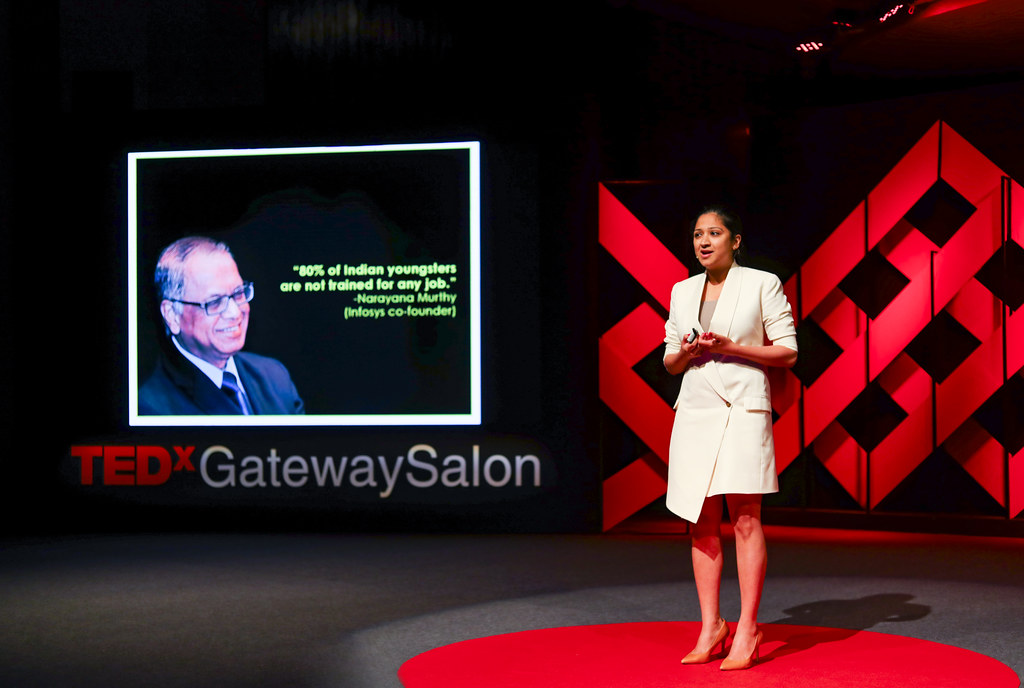
Space-inspired STEM programmes are transforming education by inspiring students to explore science and technology. Higher Orbits has been a pioneer in this field since 2016, promoting engagement and innovation in young minds.
The Rise of Space-Inspired Education
The demand for innovative educational approaches has surged in recent years, particularly in the field of STEM (Science, Technology, Engineering, and Mathematics). One notable trend is the rise of space-inspired STEM programmes, which have captivated students’ imaginations and sparked interest in these critical subjects.
In 2016, Higher Orbits pioneered efforts to engage young minds by introducing them to space-themed educational experiences. Over the past decade, the organization has expanded its initiatives, drawing thousands of students into the wonders of space science and technology.
These programmes offer unique opportunities for hands-on learning, encouraging participants to tackle real-world challenges while fostering creativity and collaboration. By incorporating elements of space exploration, educators have found a way to make STEM subjects more appealing and relevant to today’s youth.
As a result, many schools and organizations have begun to adopt similar space-inspired initiatives, recognizing their potential to ignite a passion for science and technology among students. As we move forward, the impact of these programmes on education and career choices will likely continue to grow, highlighting the value of investing in space-inspired STEM programmes for future generations.
How Higher Orbits is Leading the Way
Higher Orbits is at the forefront of fostering interest in science, technology, engineering, and mathematics through innovative space-inspired STEM programmes. Founded in 2016, the organization has made significant strides in engaging students with hands-on experiences that connect them to the wonders of space exploration.
With a decade of experience, Higher Orbits has developed a range of educational initiatives that emphasize teamwork, creativity, and problem-solving skills. Participants are encouraged to design and propose experiments that could potentially be conducted in space, bridging the gap between theoretical knowledge and practical application.
Key elements of Higher Orbits’ approach include:
- Experiential Learning: Students engage directly with challenges faced in space missions.
- Mentorship: Participants receive guidance from professionals in the aerospace industry.
- Community Building: The programmes foster collaboration among students from diverse backgrounds.
As more schools and educators recognize the value of space-inspired STEM programmes, Higher Orbits continues to lead the way in cultivating the next generation of innovators and explorers.
Success Stories from Participants
Participants in space-inspired STEM programmes have reported transformative experiences that extend beyond the classroom. Many students have developed invaluable skills in problem-solving, teamwork, and critical thinking, which are essential for future careers in science and technology.
One notable success story is that of Maria, a 16-year-old from a small town who participated in a Higher Orbits programme. Through hands-on projects, she discovered her passion for aerospace engineering. Maria stated, “The experience ignited my curiosity and made me realize that I want to contribute to space exploration.” Her story is just one of many.
Another participant, Jake, found that the collaborative nature of the programmes helped him build lasting friendships with peers who share similar interests. He remarked, “Working on projects with others who are just as excited about space was inspiring. It made learning fun and engaging.”
These success stories highlight the positive impact of space-inspired STEM programmes on students’ lives, encouraging them to pursue careers in fields that are crucial for the future. As more young people engage with these initiatives, the potential for innovation in science and technology continues to grow.
The Impact on Future Careers
The impact of space-inspired STEM programmes on future careers is increasingly significant as industries evolve to meet the demands of a technologically advanced society. By engaging students in these innovative programmes, they not only acquire vital skills but also develop a passion for exploration and problem-solving.
Participants in space-inspired STEM programmes often report a heightened interest in fields such as:
- Engineering
- Aerospace technology
- Computer science
- Environmental science
These programmes provide hands-on experiences that enhance critical thinking and creativity, which are essential qualities in any career path. Graduates are better equipped to tackle real-world challenges, often standing out in competitive job markets. Moreover, the collaboration and teamwork skills gained through these initiatives mirror the dynamics of modern workplaces.
As the demand for professionals in STEM fields continues to grow, investing in space-inspired STEM programmes becomes increasingly justified. They not only inspire the next generation of scientists and engineers but also play a crucial role in shaping a workforce ready to address the complexities of our future.
Challenges in Space Education
While space-inspired STEM programmes have garnered significant attention and support, they are not without their challenges. The integration of such programmes into existing educational frameworks often encounters several obstacles that can hinder their effectiveness.
One major challenge is the lack of trained educators who can effectively teach complex space science concepts. Many teachers may not have the necessary background in STEM fields, which can limit their ability to engage students fully. Additionally, resources for hands-on learning experiences are often limited, making it difficult to provide the practical applications that make these programmes truly impactful.
Another concern is funding. While many organisations and grants support space-inspired initiatives, securing consistent financial backing remains a struggle for many schools. Without adequate funding, schools may find it challenging to sustain long-term programmes or invest in new technologies that enhance learning.
Moreover, there is the issue of accessibility. Not all students have equal access to these programmes, which can perpetuate existing disparities in educational opportunities. Addressing these challenges is essential for maximising the potential benefits of space-inspired STEM programmes and ensuring that all students can participate in these innovative educational experiences.
Why Choose STEM Programmes?
Investing in space-inspired STEM programmes offers numerous advantages that extend beyond academic achievement. These programmes are designed not just to educate, but to ignite a passion for science, technology, engineering, and mathematics among students.
One of the key reasons to choose these programmes is their ability to foster critical thinking and problem-solving skills. Participants engage in hands-on projects that simulate real-world challenges, encouraging innovative solutions. This experiential learning approach enhances students’ engagement and retention of complex concepts.
Moreover, space-inspired STEM programmes provide a unique context that captivates young minds. The allure of space exploration serves as a motivational backdrop, inspiring students to pursue further education and careers in STEM fields. As they learn about the universe, they also develop teamwork and communication skills, essential for future collaboration in diverse environments.
Additionally, these programmes often incorporate mentorship from industry professionals, offering insights into career paths and networking opportunities. By investing in space-inspired STEM programmes, educators and parents are not only enriching students’ knowledge but also preparing them for a future where innovation and technology are paramount.
By tedxgateway via Openverse



Leave a Reply