
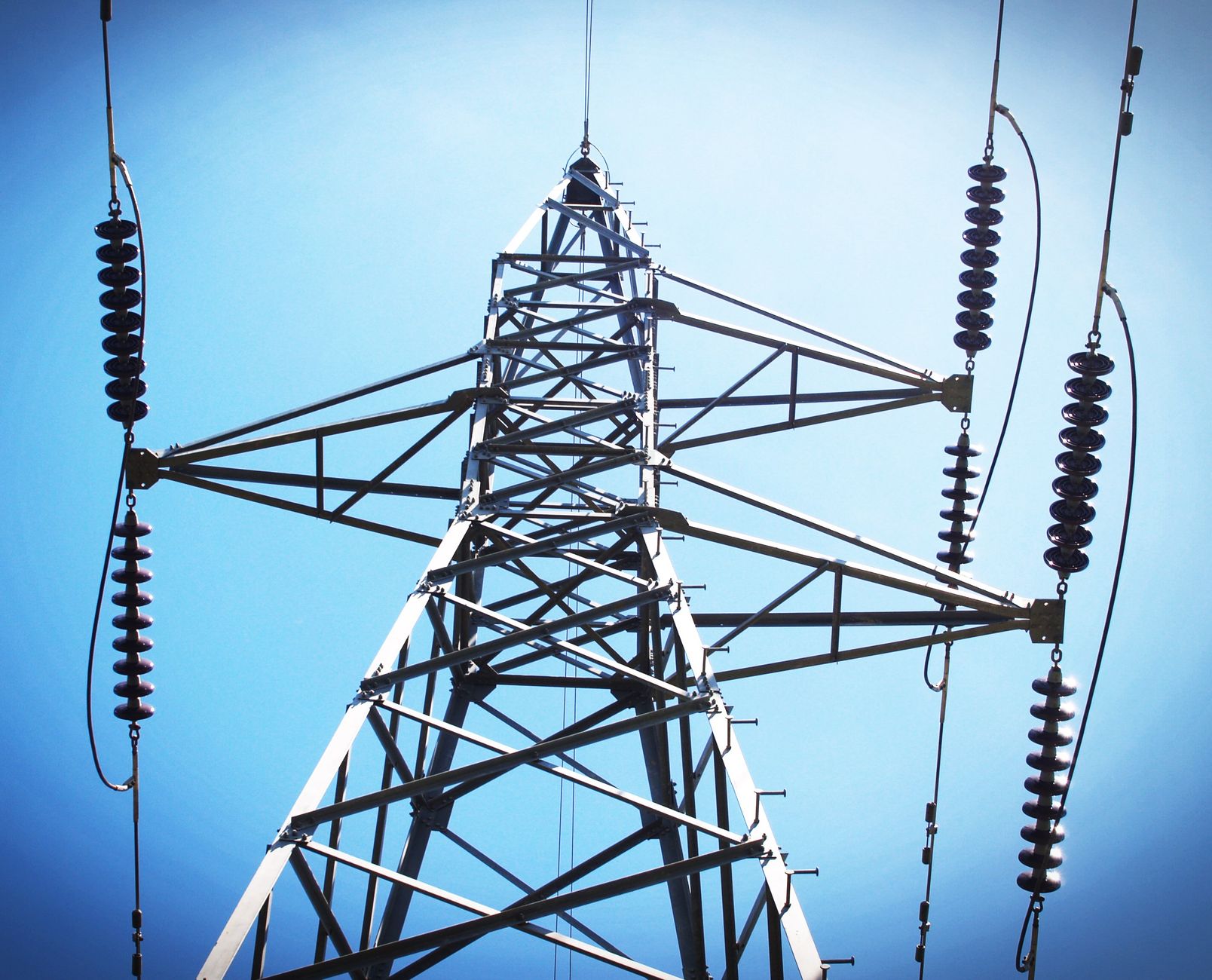
The electricity data-sharing framework is set to revolutionize how startups access essential data for building AI tools in India. This initiative aims to foster innovation and growth in the tech sector.
Overview of the Electricity Data-Sharing Framework
The Electricity Data-Sharing Framework is an innovative initiative aimed at empowering startups to harness data for developing advanced AI tools. By providing access to critical electricity consumption data, this framework seeks to foster a vibrant ecosystem that supports technological advancement.
Key objectives of the framework include:
- Enhancing Data Accessibility: Startups will gain streamlined access to electricity data, enabling them to create solutions that address various energy management challenges.
- Promoting Innovation: With the right data at their fingertips, entrepreneurs can develop AI-driven applications that optimize energy usage and improve grid reliability.
- Encouraging Collaboration: The framework aims to facilitate partnerships between startups, utilities, and regulators, creating a collaborative environment that nurtures creativity and technological integration.
This initiative reflects India’s commitment to leveraging technology in the energy sector, positioning the country as a leader in sustainable innovation.
Impact on Indian Startups
The newly announced electricity data-sharing framework is set to significantly impact Indian startups, particularly those focused on artificial intelligence (AI) solutions. By providing access to crucial electricity consumption and generation data, this initiative will empower startups to innovate and develop smart tools that can optimize energy usage.
Startups can leverage this framework to create applications that analyze consumption patterns, predict demand, and suggest energy-saving measures. This not only enhances operational efficiency for businesses but also contributes to a more sustainable energy ecosystem.
Additionally, the framework fosters collaboration among various stakeholders, including utility companies and technology developers, creating a vibrant ecosystem for innovation. The transparency and availability of data will enable startups to build trust with consumers and investors alike.
In conclusion, the electricity data-sharing framework serves as a vital resource, enabling Indian startups to harness data-driven insights and contribute to the energy sector’s evolution, ultimately positioning them for growth in a competitive market.
Benefits of Data Sharing for AI Development
The introduction of the electricity data-sharing framework presents numerous advantages for the development of artificial intelligence tools by startups in India. By providing access to comprehensive electricity consumption data, the framework enables startups to harness valuable insights that can drive innovation and efficiency.
Some key benefits of data sharing for AI development include:
- Enhanced Decision-Making: Startups can utilize data analytics to make informed decisions, optimizing energy usage and reducing costs.
- Improved Algorithms: Access to real-time data allows for the training of more accurate AI models, leading to better predictions and solutions.
- Fostering Collaboration: The framework encourages collaboration between startups, researchers, and energy providers, creating an ecosystem of shared knowledge.
- Scalability: Startups can leverage data to scale their operations more effectively, tapping into new markets and customer segments.
Overall, the electricity data-sharing framework represents a significant leap forward for AI development, positioning Indian startups for success in a competitive landscape.
Government Initiatives Supporting AI
The Indian government is making significant strides in fostering innovation through various initiatives aimed at supporting the development of Artificial Intelligence (AI) tools. Central to these efforts is the newly introduced electricity data-sharing framework, designed to facilitate access to vital data for startups. This framework not only promotes transparency but also encourages collaboration among startups, researchers, and industry leaders.
Among the key initiatives, the government has established funding programs specifically targeting tech startups that leverage AI in the energy sector. These programs provide financial support as well as mentorship from experienced professionals. Additionally, the government is promoting partnerships between private companies and academic institutions to enhance research and development in AI technologies.
Furthermore, workshops and seminars are being organized to educate entrepreneurs about the potential of data-driven solutions in the energy sector. By creating a conducive environment for innovation, these government initiatives are pivotal in enabling startups to harness the power of the electricity data-sharing framework for groundbreaking AI applications.
Challenges in Implementing the Framework
Despite the promising potential of the electricity data-sharing framework, several challenges hinder its implementation. One major obstacle is the infrastructure limitations faced by many startups, particularly those in remote areas. They often lack access to reliable internet and advanced technologies necessary to leverage the data effectively.
Additionally, there are concerns about data privacy and security. Startups must navigate complex regulatory landscapes while ensuring that sensitive information is protected. This can lead to hesitance among businesses to fully embrace data-sharing initiatives.
Furthermore, there is a need for standardization of data formats and protocols. Inconsistent data presentation can create confusion and hinder collaboration between startups and larger entities. Without a unified approach, the effectiveness of the electricity data-sharing framework could be compromised.
Lastly, fostering awareness and education about the benefits of data sharing remains crucial. Many startups may lack an understanding of how to utilize shared data for developing innovative AI tools.
Success Stories from the Tech Sector
The implementation of the electricity data-sharing framework has sparked remarkable success stories within the tech sector. Startups leveraging this initiative have demonstrated innovative approaches to harnessing electricity data for various applications.
- Energy Efficiency Solutions: One notable startup developed an AI-driven platform that analyzes real-time electricity usage data, offering personalized recommendations to consumers for reducing energy consumption.
- Smart Grid Management: Another company utilized the shared data to create tools that enhance grid reliability, allowing utility providers to predict demand fluctuations and optimize power distribution.
- Renewable Energy Integration: A third startup focused on integrating renewable energy sources by using data analytics to identify optimal times for solar and wind energy utilization, contributing to a more sustainable power ecosystem.
These examples illustrate how the electricity data-sharing framework is not just a policy initiative but a catalyst for innovation, enabling startups to thrive in a competitive market and drive the evolution of artificial intelligence in energy management.
Future of AI in India
The future of AI in India is poised for significant transformation, especially with the introduction of the electricity data-sharing framework. This initiative is set to empower startups by providing access to vital energy data, which can be leveraged to develop innovative AI solutions.
Experts believe that this framework will catalyze advancements in various sectors, including smart grids and energy management. By fostering a culture of collaboration between startups and established energy providers, the framework encourages the sharing of insights that can lead to the creation of data-driven AI applications.
Furthermore, as the demand for sustainable energy solutions increases, startups equipped with AI capabilities will be better positioned to address the challenges in energy efficiency and consumption patterns. The integration of AI with electricity data will enable startups to offer tailored solutions, enhancing operational efficiency across industries.
In conclusion, the electricity data-sharing framework not only supports the growth of AI in India but also paves the way for innovative startups to thrive in a competitive landscape.
Conclusion and Next Steps
In conclusion, the electricity data-sharing framework presents a significant opportunity for startups in India to harness the power of data for innovative solutions. By facilitating access to essential electricity consumption data, this framework enables the development of artificial intelligence tools that can optimize energy use and enhance sustainability efforts.
As the government continues to invest in this initiative, it is crucial for stakeholders to collaborate effectively. Startups must engage with regulatory bodies to navigate challenges and ensure compliance with data privacy regulations. Moreover, educational programs and workshops can prepare emerging entrepreneurs to leverage this data responsibly.
Next steps involve ramping up outreach to raise awareness about the framework among potential users. Additionally, pilot programs may be implemented to test various applications of the shared data, providing valuable insights before a wider rollout.
Ultimately, the success of the electricity data-sharing framework will depend on the collective efforts of the government, startups, and the tech community to create a robust ecosystem that fosters innovation and drives the future of AI in India.
Photo by icon0 com on Pexels




Leave a Reply