
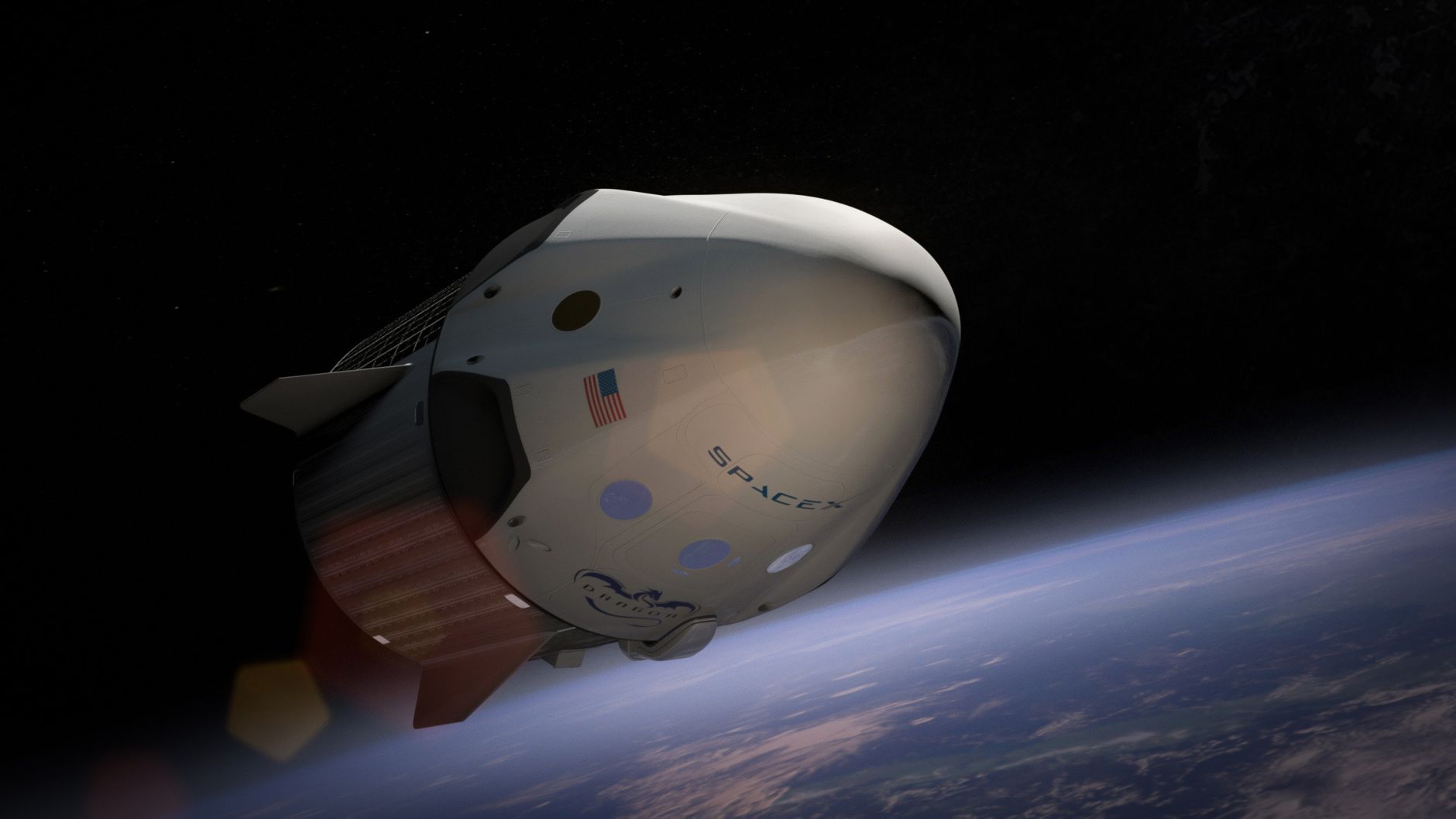
The satellite removal mission is an essential step in tackling the growing issue of space debris. ClearSpace is set to lead this initiative in the UK, showcasing innovative solutions for a cleaner orbit.
What is the Satellite Removal Mission?
The satellite removal mission is a groundbreaking initiative aimed at addressing the growing problem of space debris, which poses significant risks to operational satellites and future space exploration. As the number of defunct satellites and fragments in Earth’s orbit continues to rise, the need for effective removal strategies has become increasingly pressing.
ClearSpace, a company specializing in space debris removal technologies, has been selected to spearhead a mission in the United Kingdom that focuses on safely capturing and deorbiting defunct satellites. This mission is not only a response to the urgent need for debris mitigation but also a vital step towards ensuring the long-term sustainability of space activities.
Key objectives of the satellite removal mission include:
- Identification: Locating and tracking defunct satellites and debris particles in Earth’s orbit.
- Capture: Developing and deploying advanced technologies to securely capture space debris.
- Deorbiting: Ensuring that captured debris is safely re-entered into the Earth’s atmosphere, where it can burn up.
This innovative approach not only aims to enhance the safety of current and future satellite operations but also sets a precedent for international cooperation in tackling space debris. By prioritizing solutions like the satellite removal mission, the space industry can take significant strides toward a cleaner and safer orbital environment.
ClearSpace’s Role in the Mission
ClearSpace is at the forefront of the satellite removal mission, demonstrating its commitment to addressing the growing issue of space debris. As the selected leader for this pioneering initiative, ClearSpace will utilize its advanced technology and expertise to ensure the successful removal of defunct satellites from Earth’s orbit.
The mission aims to capture and deorbit space debris, which poses a significant threat to operational satellites and the International Space Station. ClearSpace’s innovative approach includes the use of a specialized spacecraft designed to rendezvous with and capture multiple pieces of debris in a single mission.
Key aspects of ClearSpace’s role in the mission include:
- Technology Development: ClearSpace is developing cutting-edge technologies that enable precise tracking and capture of satellites.
- Collaboration: The company is working closely with various international space agencies and private sector partners to share knowledge and resources.
- Environmental Responsibility: ClearSpace is committed to promoting sustainable practices in space, ensuring that future generations can benefit from a cleaner orbital environment.
Through this satellite removal mission, ClearSpace seeks not only to mitigate the risks associated with space debris but also to pave the way for a new era of responsible space exploration and utilization.
Challenges in Satellite Removal
The growing issue of space debris poses significant challenges for any satellite removal mission. With thousands of defunct satellites and fragments orbiting Earth, the task of removing this debris is both complex and urgent.
One major challenge is the sheer volume of debris. According to recent estimates, there are over 100 million pieces of debris larger than a millimeter, and tracking them is a daunting task. Each piece presents a collision risk for operational satellites and the International Space Station, making the need for an effective satellite removal mission critical.
Another challenge lies in the technology required for debris removal. Current methods, such as nets and harpoons, are still being tested and refined. Ensuring that these technologies can effectively capture and deorbit debris without creating more fragments is essential. Additionally, the mission must be cost-effective; funding for satellite removal initiatives is limited, making it imperative to optimize resources and strategies.
Furthermore, international regulations and cooperation play a vital role. Space is a shared domain, and ensuring that all countries adhere to guidelines for debris management is crucial for the success of any removal mission. Without a unified approach, efforts to address space debris may be hindered.
Despite these challenges, the ongoing work by organizations like ClearSpace serves as a beacon of hope, demonstrating innovative solutions to tackle the pressing issue of space debris.
Future of Space Debris Management
The future of space debris management is increasingly focused on innovative solutions like the satellite removal mission. As the number of defunct satellites and debris in low Earth orbit continues to rise, it is imperative to develop effective strategies to mitigate the risks associated with this growing issue.
Experts predict that without proactive measures, the situation will worsen, leading to a cascade of collisions known as the Kessler Syndrome, which could threaten both operational satellites and human activities in space. Therefore, organizations like ClearSpace are spearheading initiatives that prioritize safe and sustainable practices in space.
Several key strategies are likely to shape the future of space debris management:
- Technology Development: Investing in advanced technologies for debris tracking and removal can significantly enhance operational efficiency.
- International Collaboration: Global partnerships are crucial for sharing research, resources, and best practices in debris mitigation.
- Regulatory Frameworks: Establishing strict guidelines and standards for satellite design and end-of-life disposal will help reduce future debris generation.
- Public Awareness: Engaging the public and stakeholders about the importance of space sustainability is vital for garnering support for missions like the satellite removal mission.
As the industry evolves, it is essential to remain committed to these initiatives to ensure a safer and cleaner space environment for future generations.
Photo by SpaceX on Pexels





Leave a Reply