
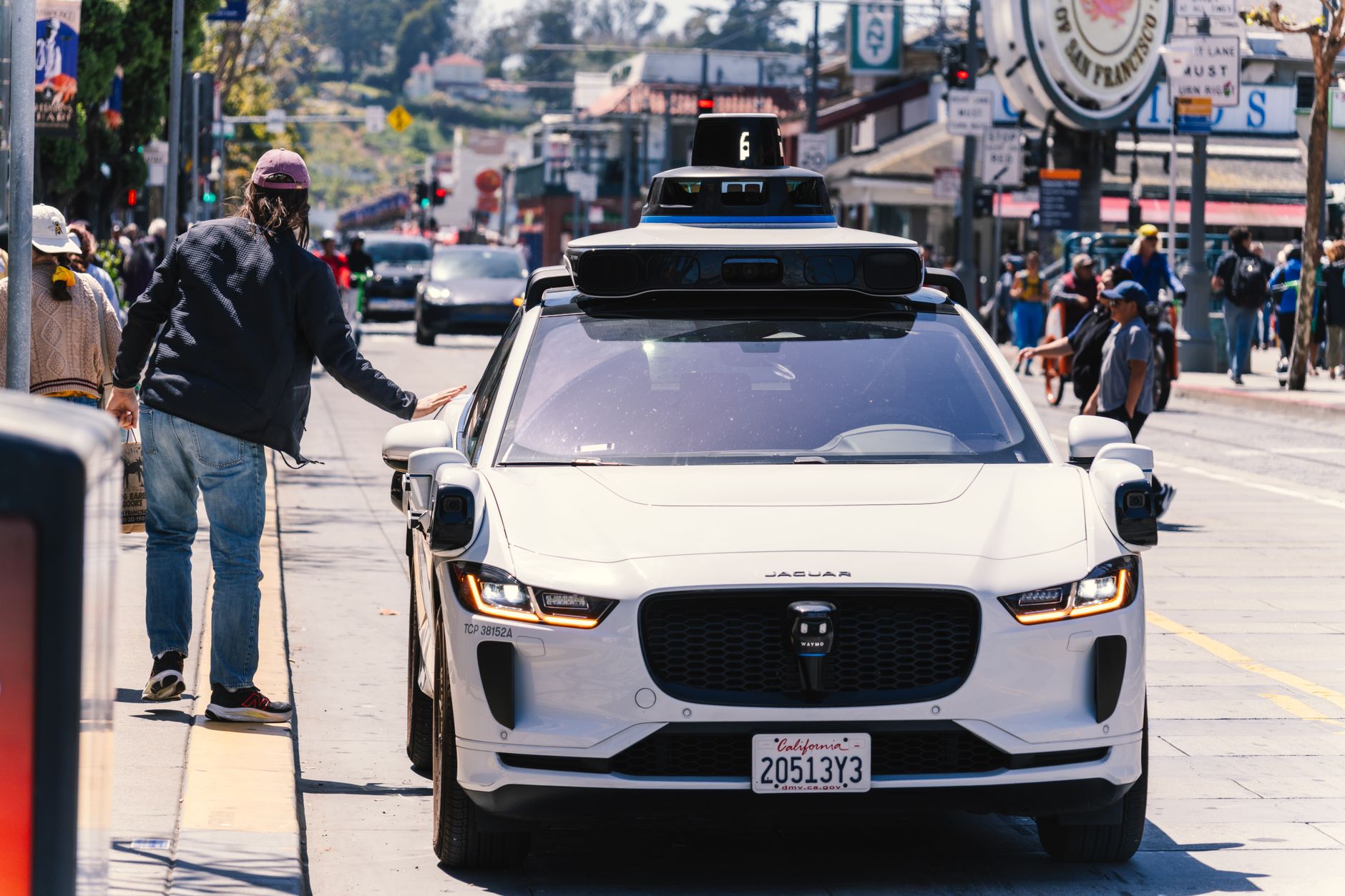
The robotaxi push is back in the spotlight as Kalanick revives efforts to innovate in autonomous transportation. With significant investments and new partnerships, the future of robotaxis looks promising.
The Rise of Robotaxi Technology
The rise of robotaxi technology marks a significant shift in urban transportation, driven by advancements in artificial intelligence and vehicle automation. Companies are investing heavily in the development and deployment of these autonomous vehicles, aiming to revolutionize how people commute.
Recent developments include:
- Funding Surge: Startups like Atoms have successfully raised substantial capital, totaling $1.7 billion, to enhance their robotaxi initiatives.
- Strategic Partnerships: Collaborations, such as the one with Uber, are expected to accelerate the robotaxi push, expanding service reach and technology sharing.
- Public Interest: As consumer demand for innovative transport solutions grows, the hype surrounding robotaxis continues to build.
While the technology promises convenience and efficiency, questions remain about safety, regulatory challenges, and the overall impact on traditional transportation models.
Kalanick’s Vision for the Future
Travis Kalanick, the co-founder of Uber, is once again spearheading the robotaxi push, leveraging significant investments to bring his vision to fruition. With Atoms securing $1.7 billion, Kalanick aims to revolutionize urban transportation, integrating autonomous vehicles into the everyday commute. This ambitious project promises to enhance mobility while reducing traffic congestion and emissions.
According to Kalanick, the future of transportation lies in a seamless blend of technology and user experience. He emphasizes the importance of safety and efficiency in robotaxi operations, which he believes will transform how people interact with their environment. The partnership with Uber is seen as a pivotal move, aligning resources and expertise to accelerate the development of this innovative service.
As the robotaxi push gains momentum, many are left wondering if the hype surrounding this technology will match its potential impact on society.
Investments in Autonomous Vehicles
In recent months, the investments in autonomous vehicles have surged, highlighting the growing interest in the robotaxi push. Major players in the industry are pouring significant capital into research and development, aiming to bring self-driving technology to the mainstream.
One notable example is the recent funding round where Atoms raised $1.7 billion, indicating strong confidence in the future of autonomous transportation. This financial backing is crucial for companies looking to refine their technologies and expand their fleets.
Industry experts suggest that the influx of investment will accelerate the deployment of robotaxis, making them a more viable option for urban mobility. However, challenges remain, including regulatory hurdles and public acceptance, which will shape the future landscape of this innovative sector.
As the robotaxi push continues, the evolution of this technology will undoubtedly impact the transportation industry and consumers alike.
Partnerships Shaping the Industry
The robotaxi push is gaining momentum, largely due to strategic partnerships that are reshaping the industry landscape. Key players are joining forces to enhance technology and expand service offerings.
- Uber and Atoms: The recent collaboration between Uber and Atoms, which secured $1.7 billion in funding, highlights the significance of financial backing in driving innovation.
- Waymo and Local Governments: Waymo’s partnerships with local governments are crucial for creating regulatory frameworks that support the deployment of autonomous vehicles.
- Automakers and Tech Firms: Collaborations between traditional automakers and tech firms are essential for integrating advanced AI systems into new vehicle designs.
These alliances not only expedite the development of robotaxi services but also address challenges regarding safety and public acceptance, making the robotaxi push a topic of intense interest in the automotive sector.
Challenges Facing Robotaxi Deployment
The deployment of robotaxis faces a myriad of challenges that could impact the success of this innovative technology. Despite significant investments and partnerships, the following obstacles remain:
- Regulatory Hurdles: Navigating complex legal frameworks across different regions poses a significant barrier to widespread adoption.
- Technological Limitations: Current autonomous driving systems still struggle with unpredictable urban environments, affecting reliability.
- Public Perception: Many consumers are skeptical about the safety of robotaxis, which may hinder acceptance.
- Infrastructure Needs: Existing roadways and traffic systems may require substantial upgrades to accommodate autonomous vehicles.
As the robotaxi push continues, addressing these challenges will be crucial for companies like Uber and Atoms to realize their vision of a fully autonomous future.
Public Perception of Robotaxis
The public perception of robotaxis is a complex landscape, shaped by a mix of excitement and skepticism. As the robotaxi push gains momentum, many consumers are curious about the implications for urban transportation.
Surveys indicate that while a significant portion of the population is intrigued by the prospect of autonomous vehicles, concerns remain regarding safety and reliability. Factors influencing public opinion include:
- Safety Records: High-profile accidents involving autonomous vehicles have raised doubts.
- Cost-Effectiveness: Potential savings in transportation costs appeal to many consumers.
- Environmental Impact: The promise of reduced emissions resonates with eco-conscious individuals.
- Technological Reliability: Questions about the technology’s ability to handle complex urban environments persist.
Ultimately, the success of the robotaxi push will hinge on addressing these concerns while showcasing the benefits of this transformative technology.
The Future of Urban Transportation
The future of urban transportation is increasingly intertwined with the robotaxi push, which promises to reshape how we navigate our cities. As technology evolves, the potential for autonomous vehicles to reduce traffic congestion and emissions becomes more tangible. However, this transition is not without its complexities.
Key factors influencing the success of robotaxis include:
- Regulatory Frameworks: Governments must establish clear guidelines to ensure safety and efficiency.
- Public Acceptance: Gaining public trust is crucial for widespread adoption.
- Technological Advancements: Continuous improvements in AI and sensor technology are vital for reliability.
Ultimately, while the robotaxi push offers exciting possibilities, it requires a concerted effort from various stakeholders to realize its full potential in urban mobility.
Photo by Abhishek Navlakha on Pexels





Leave a Reply