
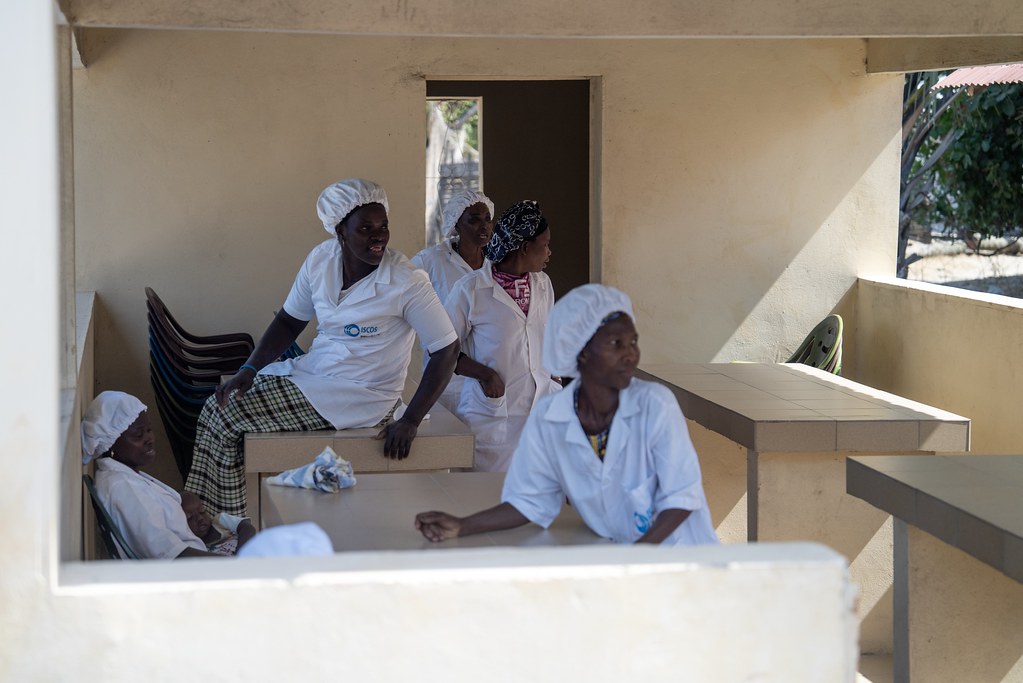
Women fish processors have faced numerous challenges in their industry, but recent announcements indicate a brighter future ahead for these hardworking individuals.
Overview of Women Fish Processors
Women fish processors play a crucial role in the fishing industry, contributing significantly to local economies and food security. In regions like Mangacounda, Fanda, and Baghagha, these women have faced numerous challenges, often working in difficult conditions to support their families and communities.
The announcement regarding the end of their ordeal marks a significant turning point for women fish processors in these areas. With improved access to resources and support, these women are poised to enhance their productivity and overall well-being. The initiative aims to empower them by providing training, better equipment, and market access, allowing them to thrive in their roles.
In addition to economic benefits, the elevation of women fish processors contributes to social change. By recognizing their contributions, communities can foster gender equality and inspire future generations of women to pursue careers in this vital industry.
As these women continue to lead in fish processing, their success sets a powerful example of resilience and determination. It highlights the importance of investing in women’s roles within the fishing sector, ensuring sustainable practices while supporting livelihoods. Moving forward, the commitment to uplift women fish processors will be essential for ongoing progress and community development.
Challenges Faced by Women in the Industry
Women fish processors play a crucial role in the fishing industry, yet they often face numerous challenges that hinder their potential for success. These obstacles can vary greatly depending on the region and local conditions, but some common issues persist across different communities.
- Access to Resources: Many women in this sector struggle to obtain the necessary resources, such as quality fishing equipment and facilities, which are often controlled by male counterparts.
- Market Competition: The market can be saturated with products from larger, often male-dominated fishing enterprises, making it difficult for women fish processors to compete effectively.
- Financial Barriers: Limited access to credit and financing options restricts women’s ability to expand their businesses and invest in better processing techniques.
- Social and Cultural Constraints: In some regions, traditional gender roles impede women’s full participation in the industry, leading to a lack of recognition and support for their work.
- Health and Safety Risks: Working conditions can sometimes be hazardous, with insufficient protection against environmental factors, affecting the health of women fish processors.
Addressing these challenges is essential for empowering women fish processors, ensuring they can thrive and contribute significantly to their communities and the economy.
Recent Developments in Fish Processing
Recent developments in the fish processing sector have brought a wave of optimism for women fish processors in various regions. Recently announced initiatives aim to enhance the working conditions and profitability of these women, recognizing their vital role in the industry.
Governments and non-governmental organizations are implementing programs that focus on providing training, resources, and support networks specifically tailored for women fish processors. These initiatives include:
- Access to Training: Workshops are being conducted to teach women new processing techniques and quality control measures.
- Financial Support: Microloans and grants are being made available to help women invest in better equipment and expand their businesses.
- Market Access: Partnerships with local markets and restaurants are being established to ensure that the products of women fish processors reach a wider audience.
Moreover, the collaboration between community leaders and local governments has led to the establishment of cooperatives, allowing women to pool resources, share knowledge, and increase their bargaining power in the market. As these developments unfold, the future looks promising for women fish processors, paving the way for sustained success and empowerment in the industry.
Impact of Technology on Fish Processing
The integration of technology in fish processing has significantly transformed the landscape for women fish processors, offering them new opportunities to enhance productivity and improve product quality. The adoption of modern techniques and tools has allowed these women to streamline their operations and reduce the time and labor involved in traditional processing methods.
One notable advancement is the introduction of solar dryers, which provide an efficient way to preserve fish, minimizing spoilage and maximizing shelf life. This technology not only ensures that women fish processors can maintain the quality of their products but also enables them to reach broader markets.
Moreover, mobile applications and online platforms have emerged as valuable resources for sharing knowledge and best practices. Women in the industry can now access training materials, market information, and networking opportunities, fostering a supportive community among fish processors.
Additionally, the use of automated equipment has reduced physical strain and enhanced safety in processing environments. This shift allows women to focus more on business development and expansion rather than solely on manual tasks.
As technology continues to evolve, it is expected that women fish processors will further capitalize on these advancements, solidifying their role in the industry and contributing to broader economic growth.
Success Stories from Women Fish Processors
Success stories from women fish processors highlight the resilience and innovation that characterize this vital sector. Across various regions, women have proven that they can overcome significant challenges to achieve remarkable success in fish processing.
In Mangacounda, a group of women fish processors transformed their local industry by implementing sustainable practices. By collaborating with local fisheries, they ensured a steady supply of fresh fish while promoting environmentally friendly methods. Their efforts not only improved product quality but also increased market access, leading to higher profits.
Similarly, in Fanda, women fish processors established a cooperative that enabled them to share resources and knowledge. This collective approach empowered them to negotiate better prices for their products and invest in modern processing equipment. Their success has inspired other women in the community to join the industry, further enhancing economic growth.
In Baghagha, a group of women demonstrated the power of technology by using mobile applications to connect with buyers directly. This initiative cut out middlemen, allowing them to retain a larger share of profits while ensuring fair trade practices.
These success stories exemplify the potential of women fish processors, showcasing their ability to drive change and foster sustainable development within their communities.
Future Prospects for Women in Fish Processing
The future prospects for women fish processors appear promising as the industry continues to evolve and adapt to modern challenges. With increased recognition of their critical role, women are gradually being integrated into decision-making processes, which enhances their influence over the sector.
Several initiatives and programs aim to empower women fish processors, focusing on education, training, and access to resources. These programs emphasize the importance of sustainable practices and market access, helping women to not only improve their skills but also to maximize their income potential.
Key areas of growth include:
- Access to Technology: Advancements in processing equipment and techniques are enabling women to enhance productivity and product quality.
- Market Expansion: New marketing strategies are being developed, allowing women fish processors to reach wider audiences and improve sales.
- Networking Opportunities: Collaborative efforts among women in the industry foster knowledge sharing and support.
As communities begin to appreciate the significant contributions of women fish processors, there is a growing belief that their involvement will lead to sustainable growth and innovation in the fishing industry, paving the way for future success.
Community Support for Women Fish Processors
In recent years, community support for women fish processors has significantly contributed to their success and empowerment. Initiatives aimed at strengthening their position in the industry have highlighted the importance of collaboration and shared resources.
Local organizations and NGOs have stepped in to provide crucial assistance, offering training programs focused on:
- Business Management: Teaching women how to effectively manage their operations and finances.
- Technical Skills: Enhancing their knowledge of processing techniques to improve product quality.
- Marketing Strategies: Guiding them on how to promote their products and reach broader markets.
This support has not only empowered women fish processors but has also fostered a sense of community. Women are now more confident in their abilities and are forming networks to share knowledge and resources. Such collaboration has led to improved practices and higher standards in fish processing.
Moreover, community events showcasing the products of women fish processors have drawn attention and increased consumer interest. As these women continue to gain recognition, their contributions to the local economy become undeniable, paving the way for a more sustainable future in the fish processing industry.
Conclusion and Call to Action
In conclusion, the journey of women fish processors is one that symbolizes resilience, determination, and the pursuit of success in an industry that has historically marginalized them. The recent developments and technological advancements are paving the way for a more inclusive environment where women can thrive, showcasing their skills and contributions to the fish processing sector.
As we reflect on the challenges faced, it is clear that community support and advocacy play crucial roles in empowering these women. With the right resources and encouragement, women fish processors can continue breaking barriers and achieving remarkable feats. The success stories emerging from communities like Mangacounda, Fanda, and Baghagha serve as powerful reminders of what can be accomplished when women are given opportunities to excel.
We urge stakeholders, including government bodies, NGOs, and private sectors, to actively invest in programs that support women fish processors. This can be achieved through:
- Training and mentorship initiatives to enhance skills.
- Access to finance to help them grow their businesses.
- Networking opportunities to foster collaboration and sharing of best practices.
By taking these steps, we can ensure that the path to proven success for women fish processors continues to expand, ultimately benefiting entire communities and the industry as a whole.
By GRIDArendal via Openverse
Sources
Related reading
Arda AI funding: Is $232 million the right investment? · Chrome security update: Is it the best fix for flaws? · Moto G47 Power specs: Best 108MP Camera and 7,000mAh Battery

Leave a Reply